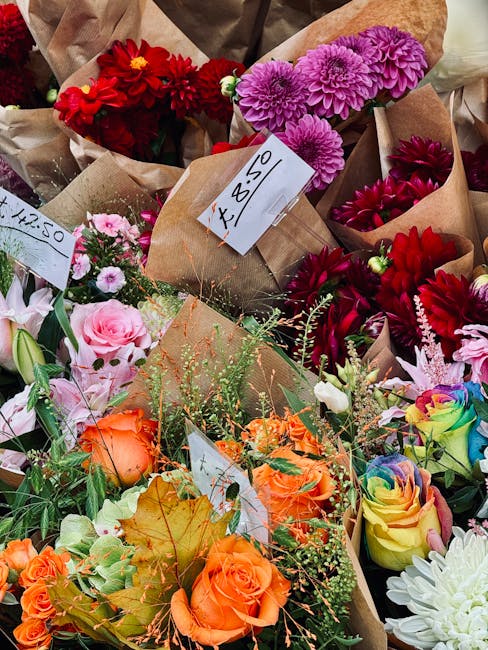
What UK Flower Deliveries Really Cost: Breakdown by Service
If you've ever wondered why one bouquet lands at your door for a neat little price and another seems to climb once delivery is added, you're not alone. What UK flower deliveries really cost: breakdown by service is one of those topics that looks simple at first, then gets a bit messy once you start comparing standard delivery, same-day options, timed drop-offs, premium hand-tied bouquets, sympathy flowers, and those last-minute urgent orders that everyone forgets until 4:30pm. Truth be told, the final bill is usually shaped by more than just the flowers themselves.
This guide walks through the main service types, where the costs come from, what changes the price, and how to judge value without getting caught out by extras. You'll also find a practical comparison table, a step-by-step buying guide, a checklist, and the questions people really ask before they place an order. If you're comparing local and national options, it can help to look at related pages like flower delivery in London, same day flower delivery London, and next day flower delivery London while you read.
Table of Contents
- Why these flower delivery costs matter
- How UK flower delivery pricing works
- Key benefits of understanding service breakdowns
- Who this guide is for
- Step-by-step guidance for choosing the right service
- Expert tips for getting better value
- Common mistakes to avoid
- Tools, resources and recommendations
- Law, compliance, standards and best practice
- Options, methods and comparison table
- Case study or real-world example
- Practical checklist
- Conclusion
- Frequently asked questions
Why What UK Flower Deliveries Really Cost: Breakdown by Service Matters
Flower delivery looks straightforward until you compare a basic hand-tied bouquet, a same-day condolence arrangement, and a premium florist design sent across town. The product photo may look similar, but the delivery service beneath it can change the price quite a bit. That matters because people usually shop for flowers under time pressure: birthdays, anniversaries, apologies, sympathy occasions, hospital visits, or just a "thinking of you" moment on a rainy Wednesday evening.
Understanding the service breakdown helps you avoid two common frustrations. First, you don't overpay for speed or packaging you don't need. Second, you don't underbudget and then find the checkout total has crept up with delivery, card inserts, timed slots, seasonal surcharges, or premium stem selection. Little things add up. And if you're sending flowers regularly for work or family, those small differences become very noticeable over time.
There's also a trust angle. A clear service breakdown makes it easier to spot whether you're buying a standard courier-style delivery, a florist-delivered arrangement, or a more bespoke service. Those are not the same thing, and they rarely cost the same either.
Expert summary: In the UK, flower delivery prices are usually driven by three layers: the bouquet or arrangement itself, the delivery service level, and any add-ons. If you separate those layers before you buy, you'll make calmer, better decisions. Simple as that.
How What UK Flower Deliveries Really Cost: Breakdown by Service Works
The price you see on a flower listing is often only the starting point. In practice, the final cost is a mix of product quality, fulfilment method, delivery speed, distance, and extras. Think of it like ordering food: the base dish is one thing, but delivery timing, packaging, and special requests can shift the final amount.
Here's the basic structure most UK flower services follow:
- Base product price: the flowers, foliage, and design style.
- Delivery method: standard courier, local florist hand-delivery, or premium timed service.
- Delivery distance: local routes are usually easier than rural or extended postcode areas.
- Speed: same-day and next-day delivery usually cost more than flexible standard delivery.
- Add-ons: vase, chocolates, candle, card upgrade, personalised message, or larger bouquet size.
- Seasonality: Valentine's Day, Mother's Day, Christmas, and graduation periods often raise demand.
That means two customers can buy what looks like the same bouquet and still end up with very different totals. One chooses standard delivery to a nearby address. The other needs an early-morning delivery to a workplace in central London and wants a premium wrap. Same flowers? Not really. Same cost? Definitely not.
For people comparing services, it helps to understand the major delivery categories. National online services often rely on a network of florists or central fulfilment, while local florists may offer more tailored hand-delivery and fresher presentation. If you're weighing convenience against detail, pages such as birthday flowers London and anniversary flowers London can help you see how occasion-led products are usually positioned.
Typical service levels you'll see
Most UK flower deliveries fall into a few broad service bands. The names may vary, but the logic is similar.
- Standard delivery: usually the cheapest option, often scheduled for the next working day or within a wider delivery window.
- Next-day delivery: a common mid-range choice for gifts ordered a little late but not urgently.
- Same-day delivery: usually priced higher because it needs immediate processing and route coordination.
- Timed delivery: early morning, school run, office hours, or a narrow slot. Useful, but rarely free.
- Premium florist delivery: often hand-crafted and hand-delivered with more attention to presentation.
- Occasion-specific delivery: funeral tributes, corporate flowers, wedding flowers, or event installations may be quoted differently altogether.
To be fair, not every company labels these categories the same way. Some bundle delivery into the bouquet price. Others keep it separate. That is why you should read the checkout breakdown rather than relying on the product page alone.
Key Benefits and Practical Advantages
Knowing what you're paying for is useful in a very practical sense. It helps you stay in control, especially when emotions or deadlines are part of the purchase. Flowers are often bought quickly, and quick decisions are where hidden costs love to hide. A clear breakdown gives you breathing room.
Here are the biggest advantages:
- Better budgeting: you can set a realistic total, not just a headline bouquet price.
- Less checkout surprise: fewer awkward moments when delivery and add-ons appear late in the process.
- Stronger value comparison: you can compare like with like instead of comparing a standard service with a premium one.
- Better occasion matching: a sympathy arrangement may need a different service level from a casual thank-you bouquet.
- Improved timing: you can decide whether same-day really matters or if next-day is perfectly fine.
- More confidence: you know what a fair fee looks like, even when browsing several options.
There's a softer benefit too. Once you understand the cost structure, flower buying feels less rushed. You can actually choose based on the moment, not on panic. And frankly, that makes the whole gift better.
Who This Is For and When It Makes Sense
This guide is useful for anyone who sends flowers in the UK, but a few groups will especially appreciate the detail.
- Last-minute buyers: if you're ordering at short notice and need same-day service, price clarity really matters.
- Gift buyers: birthdays, anniversaries, apologies, new baby flowers, and thank-you arrangements all have different service needs.
- Business customers: regular corporate sending makes delivery and packaging costs more important.
- People comparing local versus national florists: the service style can be very different, even for similar-looking bouquets.
- Value-conscious shoppers: if you want quality without paying unnecessary extras, this is for you.
- Planners: anyone booking ahead for a wedding, event, or sympathy tribute can save money by choosing the right timing.
If you're just sending one bunch as a quick gesture, the cheapest option might be perfectly fine. If it's something more meaningful, like a tribute or a milestone birthday, the service details start to matter more. That's the real dividing line, in our experience.
For occasion-specific inspiration and presentation ideas, it can be helpful to look at sympathy flowers London and wedding flowers London, because those services tend to show how different delivery expectations can be from one situation to another.
Step-by-Step Guidance
Here's the simplest way to work out what you should expect to pay, without getting bogged down in florist jargon.
- Start with the occasion. A casual bouquet, a romantic arrangement, and a funeral tribute are priced differently because they require different levels of design and handling.
- Decide how fast it needs to arrive. If you can order ahead, standard or next-day delivery usually gives better value than urgent same-day service.
- Check the service style. Ask whether delivery is by local florist, courier, or a mixed network. The method affects freshness, presentation, and cost.
- Look for what is included. Delivery, wrapping, card message, vase, and stem upgrades may be separate.
- Compare like with like. Don't compare a large luxury bouquet with a small standard bunch. It sounds obvious, but people do it all the time.
- Review postcode coverage. Some addresses cost more because they sit outside a standard route or because access is awkward.
- Check the final checkout total. This is where all the moving parts become real.
A good rule: if you're not sure, choose the least urgent delivery option that still meets the moment. You'll often save money and reduce the risk of a missed slot. No drama. No scramble.
A simple decision shortcut
Use this quick filter:
- Need it today? Same-day.
- Need it tomorrow? Next-day.
- Sending a planned gift? Standard or scheduled delivery.
- Need it for a specific time? Timed delivery, but expect extra cost.
- Want the nicest presentation? Choose florist hand-delivery where possible.
That's it. A bit boring, maybe, but it works.
Expert Tips for Better Results
Once you know the service categories, the next step is getting more value for the money you spend. This is where small choices make a big difference.
- Order earlier than you think you need to. Even a 24-hour buffer can open up better delivery choices and lower costs.
- Choose seasonal flowers. They're often better priced because they're more readily available.
- Keep add-ons purposeful. A vase may be worth it; three extras because they "look nice" can quickly inflate the total.
- Use message cards carefully. A well-written card often matters more than a fancy upgrade. Short, warm, and honest usually wins.
- Ask whether substitution is possible. Florists sometimes need to swap stems if a variety is out of stock, especially at peak times. Better to know beforehand.
- Check delivery windows if someone is hard to reach. Offices, hospitals, and schools can have limited receiving hours. People forget that part, then wonder why the bouquet is waiting at reception.
Another practical tip: if you're sending flowers for a special date like Valentine's Day or Mother's Day, don't assume the cheapest service will stay available until the last minute. Often it won't. The best-priced slots tend to disappear first.
And yes, sometimes paying a little more for reliability is the sensible move. Not exciting, but sensible.
Common Mistakes to Avoid
Most flower delivery mistakes are not huge, but they can turn a thoughtful gesture into a small headache. Here are the ones people bump into most often.
- Ignoring the delivery fee: the bouquet may look affordable until the checkout page adds the real total.
- Choosing speed when it's not needed: same-day sounds convenient, but if the flowers are for tomorrow, you may be paying for urgency you don't need.
- Comparing different product sizes: a standard bouquet and a deluxe arrangement are not price equivalents.
- Forgetting access issues: flats, gated buildings, and business addresses can complicate delivery and sometimes affect cost.
- Not checking weekend or bank holiday rules: these often change service availability and fees.
- Overloading the order with extras: chocolates, vase, balloon, premium wrap, card upgrade... and suddenly the gift is much more expensive than planned.
- Leaving it too late for peak dates: by then, the best service options are already gone.
One of the most common surprises is the difference between "from" pricing and final pricing. "From" means exactly that. It is the starting point, not the promise.
Tools, Resources and Recommendations
You don't need special software to make a sensible flower delivery decision, but a few simple habits help a lot.
- Use a notes app or shortlist: keep track of bouquet price, delivery fee, cut-off time, and add-ons across a few options.
- Compare delivery terms carefully: standard, next-day, same-day, and timed delivery can sound similar but behave very differently.
- Check occasion pages: they often show the range of arrangements and the kinds of messages that suit each event.
- Look at service and support pages: if you need to change an order or confirm a delivery detail, customer help becomes part of the value.
For example, if you're exploring special occasions or support options, pages such as Christmas flowers London, nationwide flower delivery, and flower delivery FAQ can help you understand common expectations before you order.
If the recipient is in a busy part of London or on a tight schedule, it may also be worth checking a location-specific service page like flower delivery Central London. Busy postcodes can affect how delivery windows are offered, and sometimes that little detail is the difference between a smooth handover and a missed one.
Law, Compliance, Standards, or Best Practice
Flower delivery is not a heavily regulated purchase in the way food or medicine can be, but there are still practical standards and consumer expectations worth paying attention to.
First, pricing should be clear. A reputable seller should make delivery charges, any service upgrades, and product variations easy to understand before checkout. If a price looks unusually low, the missing cost often appears later in the process. That's not illegal in itself, but it can be frustrating and poor practice.
Second, delivery promises should be realistic. If a company offers same-day delivery, there should usually be a cut-off time and a sensible description of what areas are covered. In busy periods, honest expectations matter more than glossy wording.
Third, substitutions should be handled carefully. Flowers are seasonal and availability changes quickly. A sensible florist will explain that exact stems may vary and should aim to keep the overall colour style, feel, and value consistent. That's standard good practice.
Finally, if you are sending to workplaces, hospitals, care settings, schools, or flats with reception rules, it helps to provide accurate delivery instructions. Not glamorous, but it avoids a lot of trouble. And if you're ordering for something sensitive, like sympathy flowers, discretion and clear instructions are part of respectful service.
One small but important point: if you are comparing businesses, look for plain-language policies on delivery timing, failed delivery attempts, and refunds or replacements. It's the dull stuff that often tells you whether a service is dependable.
Options, Methods, or Comparison Table
Here's a practical comparison of the most common UK flower delivery service types. The figures below are best treated as broad service patterns rather than fixed prices, because actual totals depend on bouquet size, postcode, and season.
| Service type | Typical cost position | Best for | Main trade-off |
|---|---|---|---|
| Standard delivery | Lowest | Planned gifts, flexible timing | Less urgency, wider delivery window |
| Next-day delivery | Low to mid | Most everyday gifting | Needs ordering in time |
| Same-day delivery | Mid to high | Last-minute occasions | More expensive, tighter cut-off times |
| Timed delivery | Mid to high | Offices, events, special moments | Extra fee for precision |
| Premium florist hand-delivery | Higher | Important gifts, presentation-led orders | Costs more, but usually feels more personal |
| Occasion-specific arrangements | Variable | Funerals, weddings, corporate events | May require consultation or custom pricing |
If your main goal is affordability, standard or next-day delivery is usually the safest place to start. If your main goal is impact, presentation, and timing, then paying a bit more can make sense. Different jobs, different answers.
Case Study or Real-World Example
Picture a fairly typical week in London. Someone realises late on Thursday evening that it is their sister's birthday on Friday. They want something thoughtful, not huge, and they need it delivered to her flat near the office before she heads out for dinner.
They start with a simple bouquet. The base price looks reasonable. Then they notice the options: standard delivery, next-day, or same-day. Because it's already late, next-day is the first practical choice. Same-day may still be available in some areas, but the price is higher and the cut-off time is tight. They also see a vase upgrade and a premium message card. Nice touches, but not essential.
In the end, they choose a medium-sized bouquet, next-day delivery, and a short handwritten message. Nothing fancy. The total stays sensible, the flowers arrive fresh, and the recipient gets a proper surprise with no last-minute panic. That's often how good flower buying works in the real world: not the flashiest option, just the right one.
Now compare that with a second scenario. Someone needs sympathy flowers sent to a family home and wants the arrangement to arrive on a specific morning. Here, the timing and tone matter more than the cheapest possible fee. A more considered delivery service is worth paying for. Different moment, different priorities. That's the whole point.
Practical Checklist
Use this checklist before you place an order.
- Have I chosen the right occasion and bouquet style?
- Do I need standard, next-day, same-day, or timed delivery?
- Have I checked the full checkout price, not just the displayed product price?
- Am I paying for any add-ons I genuinely want?
- Is the recipient address complete, including flat number, business name, or access notes?
- Does the delivery window suit the recipient's routine?
- Have I checked for peak-date pricing or cut-off times?
- Do I know whether substitutions may happen if stems are unavailable?
- Is the service style appropriate for the occasion?
- Have I read the delivery terms carefully?
If you can tick most of those off, you're already ahead of the average buyer. Seriously.
Conclusion
The real cost of UK flower delivery is rarely just the bouquet price. It's the service level, the timing, the distance, the extras, and the occasion all working together. Once you understand how those pieces fit, choosing becomes much easier. You stop comparing apples with pears and start making a decision that fits the moment, the budget, and the recipient.
In practical terms, the cheapest option is not always the best value, and the fastest option is not always necessary. A thoughtful flower order usually comes down to balance: decent presentation, reliable delivery, and a price that makes sense for the occasion. That balance is the sweet spot.
Get a free quote today and see how much you can save.
And if you're still unsure, that's perfectly normal. A little comparison now can save money later, and honestly, the calmer choice often ends up being the better one.
Frequently Asked Questions
How much does flower delivery usually cost in the UK?
The cost varies by service type, bouquet size, and location. Standard delivery is usually the cheapest, while same-day and timed delivery cost more because they need quicker handling and tighter coordination.
Why is same-day flower delivery more expensive?
Same-day service is typically more expensive because it requires immediate processing, faster dispatch, and route planning on short notice. You are paying for speed and flexibility, not just the flowers.
Is next-day delivery better value than same-day?
Usually, yes. If your gift is not urgent, next-day delivery often offers a better balance of price and convenience. It gives the florist more time to prepare the order properly.
Do UK flower delivery prices include the bouquet and delivery together?
Sometimes they do, sometimes they don't. Some sellers bundle delivery into the advertised price, while others list it separately. Always check the final checkout total before paying.
What extra charges should I look out for?
Common extras include timed delivery, premium packaging, vase upgrades, card upgrades, weekend delivery, and seasonal surcharges. A clear breakdown should show these before you confirm the order.
Are local florists cheaper than national flower delivery services?
Not always. Local florists can be more personalised and sometimes more cost-effective for nearby delivery, but national services may offer broader coverage or simpler ordering. The best value depends on your postcode, timing, and the style of arrangement.
How can I reduce the cost of flower delivery?
Order earlier, choose standard or next-day delivery, avoid unnecessary add-ons, and select seasonal flowers where possible. If the date is flexible, that alone can reduce the total quite a bit.
Do flower delivery prices go up on busy dates?
They often can. Peak periods such as Valentine's Day, Mother's Day, Christmas, and bank holiday weekends tend to increase demand, which can affect both availability and price.
Can flower substitutions affect the value of my order?
They can, which is why it helps to understand the florist's substitution policy. If a stem is unavailable, a good florist should aim to keep the overall look, feel, and value consistent.
What is the difference between standard and florist hand-delivery?
Standard delivery is usually more route-based and flexible, while florist hand-delivery often means the arrangement is prepared and delivered with more personal care. Hand-delivery can feel more premium and may cost more.
Is it worth paying extra for a timed delivery slot?
It can be, if the flowers need to arrive during a meeting, before an event, or at a specific time for emotional reasons. If timing is not essential, you may not need to pay for it.
What should I check before ordering flowers to an office or flat?
Make sure you have the full address, flat or suite number, access instructions, and any relevant delivery restrictions. Office and residential buildings can be trickier than they look on paper, and a small detail can save a failed delivery.
How do I know if a flower delivery price is fair?
Compare the bouquet size, flower quality, delivery speed, and any extras included. A fair price is not always the lowest price; it is the one that matches the service you actually need.