Top Venue Flower Sourcing Mistakes to Avoid
Choosing flowers for a venue looks simple from the outside. You pick a colour palette, agree a budget, place the order, and hope everything turns up looking as polished as the mood board. In real life, though, venue flower sourcing can go sideways very quickly. The wrong stem mix, poor timing, vague specifications, or a supplier who cannot handle scale can turn an elegant space into a last-minute scramble. This guide on the Top Venue Flower Sourcing Mistakes to Avoid is designed to help you steer clear of the expensive, stressful stuff and make better decisions from the start.
Whether you are sourcing flowers for a wedding, private dining event, corporate reception, launch party, or a seasonal venue refresh, the same core problems show up again and again. The good news? Most of them are avoidable. With a bit of planning, clear communication, and a realistic eye for logistics, you can get much better results without overcomplicating things. Let's get into it.
Table of Contents
- Why venue flower sourcing mistakes matter
- How venue flower sourcing works in practice
- Key benefits of getting sourcing right
- Who this guide is for
- Step-by-step guidance
- Expert tips for better results
- Common mistakes to avoid
- Tools, resources and recommendations
- Law, compliance and best practice
- Options and comparison table
- Case study or real-world example
- Practical checklist
- Conclusion
- Frequently asked questions
Why Top Venue Flower Sourcing Mistakes to Avoid Matters
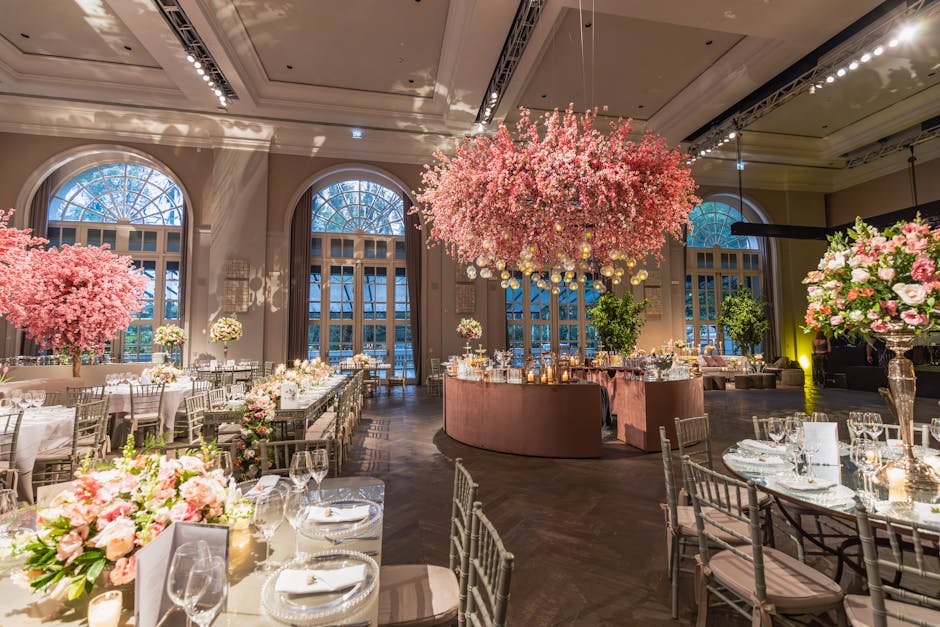
Venue flowers are not just decoration. They shape the first impression, support the event theme, and influence how the whole space feels. When sourcing goes wrong, the impact is immediate. Guests notice drooping heads, awkward colour clashes, or arrangements that look lovely in isolation but disappear in a large room. And if you are working to a fixed schedule, the practical knock-on effects can be messy. A late delivery can delay setup. A poor substitution can force a redesign. A weak brief can lead to flowers that simply do not suit the venue.
To be fair, most sourcing mistakes happen for ordinary reasons, not dramatic ones. Someone assumes a flower is in season when it is not. Someone forgets to check access into the venue. Someone underestimates the volume needed for a high-ceilinged room. These are small oversights on paper, but they can swallow a budget very quickly. If you are booking event flowers in the UK, it also helps to think in terms of supply chain reliability, delivery windows, and how well the florist or supplier handles real venue conditions rather than just pretty images.
Key point: good venue flower sourcing is as much about logistics and clarity as it is about taste. The prettiest proposal in the world is no use if it cannot be delivered, installed, or maintained properly.
How Top Venue Flower Sourcing Mistakes to Avoid Works
At its simplest, venue flower sourcing is the process of matching floral design, supply, timing, and budget to a specific venue and event brief. That sounds tidy. It rarely is. The best results come from treating it as a sequence of decisions rather than a single purchase.
First, you define the venue requirements: size, style, lighting, access, and the areas that need flowers. Then you decide what the flowers need to do. Are they meant to create a grand entrance? Soften a modern room? Support branding? Fill a long banquet table? After that comes sourcing, which includes flower choice, seasonal availability, container selection, conditioning, and delivery coordination. Finally, you have setup and aftercare, which people often forget until the last minute.
In practical terms, that means asking more than "what flowers do you have?" You need to know whether the flowers can survive the journey, whether they suit the room temperature, how long they will last, and what happens if something is delayed. If you are using a supplier with delivery service, checking their delivery information and flower care guidance is a sensible early step, not admin for later.
Key Benefits and Practical Advantages
When venue flower sourcing is done well, the benefits are immediate and fairly obvious. But there are also quieter advantages that are easy to miss until you have lived through a few events.
- Better visual impact: flowers are balanced to the room, not just to a sample image.
- Less waste: you buy what you actually need, instead of over-ordering "just in case".
- Fewer last-minute surprises: delivery, substitutions, and setup are planned in advance.
- Stronger budget control: you know where the money is going and what matters most.
- Longer vase life: the flowers are handled and conditioned correctly.
- Smoother event day: setup is simpler because the logistics make sense.
There is also a reputation benefit. A venue that looks thoughtfully dressed tends to feel more premium, even if the floral design itself is relatively simple. Guests may not be able to name the flowers, but they absolutely notice whether the room feels cohesive. That's the bit people remember on the train home, usually while trying not to squash the roses on their lap.
Who This Is For and When It Makes Sense
This guide is for anyone involved in sourcing flowers for venues, especially when the flowers must perform under pressure. That includes wedding planners, venue managers, hospitality teams, corporate event organisers, stylists, and private clients planning something meaningful but time-sensitive.
It makes sense to pay close attention if any of the following sounds familiar:
- You have a fixed event date and no room for delays.
- The venue is large, complex, or tricky to access.
- You need flowers to match brand colours or a theme.
- You are working with a set budget and need value, not guesswork.
- The event includes multiple spaces, such as ceremony, reception, breakout areas, and entrances.
- You want flowers to last more than one day, or to be reusable across a schedule.
In our experience, the biggest sourcing headaches often appear when people assume venue flowers are just a scaled-up version of home flowers. They are not. The room, the timetable, the number of guests, the temperature, and even the loading bay matter. A lot.
Step-by-Step Guidance
If you want to avoid the common traps, work through the sourcing process in a structured way. A calm sequence beats a rushed decision every time.
1. Start with the venue itself
Measure the space properly, or at least get the exact dimensions and photographs from the venue team. Pay attention to ceiling height, natural light, table sizes, and where people will actually walk. A flower arrangement that looks perfect on a laptop screen can feel tiny in a cavernous hall.
2. Define the job the flowers need to do
Ask a practical question: what are the flowers for? Mood, branding, ceremony focus, table styling, photo backdrops, or entry points? Once you know the role, you can choose designs that support it instead of competing with it.
3. Build the palette around season and availability
Seasonal flowers usually give you better value and a more natural look. If you insist on out-of-season stems, the cost and risk often rise together. That doesn't mean you can never use them. It just means you should do it knowingly.
4. Confirm the logistics before you confirm the look
This is where people get caught out. Ask about delivery timing, access restrictions, setup support, and whether the flowers need hydration on arrival. If the venue has a narrow loading window or shared access, the best-looking proposal in the world will not save you if the van cannot get in.
5. Approve samples or reference images carefully
Images help, but they can also mislead. Lighting, vase height, bloom size, and stem density all affect how an arrangement feels. Review samples with the venue in mind, not in a neutral studio.
6. Plan for substitutions in advance
Seasonal sourcing always carries some variation. Agree which stems can be swapped and which ones are non-negotiable. That simple step can save a great deal of stress on the day.
7. Re-check the aftercare plan
Who is misting, topping up water, repositioning, or removing spent stems after the installation? If the flowers need to last through a weekend, aftercare matters as much as the initial arrangement.
Expert Tips for Better Results
Good floral sourcing is partly technical, but it is also a matter of judgement. A few small habits make a big difference.
Think in layers, not single arrangements. A room often looks better when flowers are distributed across focal points rather than loaded into one dramatic feature. Entrance, tables, bar, aisle, and feature wall each play a part.
Use scale honestly. A delicate bouquet can disappear in a marquee or a large hotel lobby. If the venue is bold, the flowers need enough presence to hold their own.
Prioritise the most visible areas. If budget is tight, spend where eyes naturally go first. Guests notice the welcome point, central tables, and photo areas before they notice the corners.
Ask how flowers will travel. Some stems are surprisingly robust; others are fussy. A florist who understands transit, conditioning, and venue timing is worth a lot here. If you want reassurance on service expectations, it can help to review a supplier's guarantees and returns and refund policy before you commit.
Keep communication simple and specific. "Elegant and romantic" is nice. "Soft blush and ivory, no lilies, low table height, sturdy stems, no strong scent" is better. Much better, actually.
Build in a small buffer. A little spare budget or time can absorb the kind of minor issue that would otherwise snowball. It's not glamorous planning, but it saves the day.
Work with values in mind too. If sustainability matters to the venue or client, ask about sourcing approach, packaging, and waste handling. A supplier's sustainability commitment can be relevant when you are choosing between otherwise similar options.
Common Mistakes to Avoid
Here are the venue flower sourcing mistakes that cause the most trouble, and why they matter.
1. Choosing flowers before understanding the space
This is probably the most common mistake. People fall in love with a colour or flower type and then try to force it into a venue where it does not belong. A low, modern room needs a different approach from a lofty historic hall. The room should guide the design, not the other way around.
2. Underestimating quantity
It is easy to assume a few arrangements will do. Then you arrive on site and realise the room eats flowers for breakfast. Large spaces need visual mass, repetition, or strong statement pieces. Otherwise, the flowers feel lost.
3. Ignoring delivery and setup logistics
You would be surprised how often this gets overlooked. Tight loading access, parking issues, freight lifts, security checks, and venue-specific time slots can all affect installation. One missed detail can knock the whole schedule sideways.
4. Over-choosing delicate stems
Some flowers are beautiful but fragile. If the event involves heat, travel, handling, or a long display period, overly delicate blooms can disappoint. Beauty is not enough; resilience counts too.
5. Failing to plan substitutions
Seasonal variance is normal. Supply chains are not always perfectly predictable. If you have not agreed on acceptable alternatives, you can end up making rushed decisions under pressure. Never ideal.
6. Forgetting the venue's practical rules
Some venues have restrictions around flames, water, floor protection, access times, or installation methods. Others have noise-sensitive settings or narrow heritage spaces. Ignoring those details can create unnecessary friction with the venue team.
7. Not considering scent
Strong fragrance can be lovely in small doses, but not every venue or guest group wants it. In dining settings especially, overpowering scents can clash with the experience. It's one of those things people only notice when it becomes annoying.
8. Treating aftercare as optional
Flowers that look perfect at delivery may not stay that way without a plan. Water, temperature, and positioning all matter. If the event runs over several hours or days, aftercare should be written down and assigned.
9. Focusing only on price
Cheap flowers are expensive if they arrive wrong, wilt early, or need last-minute replacement. Value is better measured by reliability, presentation, and the amount of stress avoided.
10. Leaving the brief too vague
"Make it beautiful" is not a brief. It is a hope. And hopes are lovely, but not especially operational.
Tools, Resources and Recommendations
You do not need a huge toolkit to source venue flowers well, but a few simple resources help enormously.
- Venue floor plan or measured sketch: ideal for deciding scale and placement.
- Reference images: useful for style, tone, and flower density, as long as you do not copy blindly.
- Colour swatches or brand guidelines: especially helpful for corporate events.
- Delivery schedule: supports setup planning and reduces surprises.
- Care notes: especially important for flowers that need hydration or cool storage.
- Supplier policy pages: useful for understanding service expectations before you book.
If you are comparing suppliers, it is sensible to review the practical pages too. For example, flower delivery options, payment information, and corporate accounts can be useful when you are managing recurring venue work or multiple stakeholders.
And if you are still in the early planning stage, don't underestimate the value of getting to know the team behind the service. The about us page and contact us page can tell you a lot about how easy they are to work with. That sounds obvious, but honestly, a quick conversation can save a lot of back-and-forth later.
Law, Compliance, Standards, or Best Practice
For most venue flower projects, the biggest compliance issues are practical rather than highly technical. Still, it pays to stay alert. Venue operators in the UK often have their own health and safety requirements, access rules, fire route restrictions, and waste-handling expectations. If flowers are being installed in public-facing areas, they should not block exits, create trip hazards, or interfere with venue operations.
If your event includes contractors or third-party suppliers, make sure responsibilities are clear in writing. Who is delivering? Who is installing? Who removes packaging? Who signs off the finished display? These basics are not glamorous, but they are part of best practice and they help reduce avoidable friction.
Ethical sourcing is also increasingly relevant. You may want to ask about supply chain standards, packaging choices, and how waste is reduced after the event. If a supplier publishes a modern slavery statement or sustainability information, that can support your due diligence, especially for corporate or hospitality settings.
Finally, always check the commercial terms before you place an order. That includes lead times, cancellations, delivery expectations, and refund handling. Reading the terms and conditions and privacy policy may feel a bit dry, but it is part of using any supplier responsibly. Very unglamorous. Very useful.
Options, Methods, or Comparison Table
Different sourcing approaches suit different venues. Here is a simple comparison to help you decide what is most practical.
| Approach | Best for | Strengths | Watch-outs |
|---|---|---|---|
| Seasonal, locally available flowers | Most events and venue styling | Better value, fresher look, easier sourcing | Less control over exact blooms or shades |
| Premium statement flowers | High-impact entrances or special moments | Strong visual effect, memorable styling | Higher cost, can be less forgiving in transit |
| Mixed arrangements with hardy support stems | Long-running events and busy venues | Balanced appearance, more resilient | Needs thoughtful design to avoid looking flat |
| Minimal floral styling with repeated accents | Budget-conscious venue dressing | Efficient, neat, easy to scale | Needs sharp placement to avoid feeling sparse |
If you are unsure, the safest method is usually the one that combines good seasonal availability with sturdy stems and a clear installation plan. Fancy is fine. Reliable is better.
Case Study or Real-World Example
Imagine a private dining venue preparing for an evening event on a Friday in early autumn. The client wants a soft romantic look, the tables are long, and the room has dark wood, low lighting, and quite a bit of echo. The first instinct is to order lots of pale, delicate flowers because they look beautiful in photographs.
That sounds lovely, until you remember the room. Low light means washed-out pastels may disappear. Long tables mean the arrangements must stay low or guests cannot see each other. Delicate blooms may start to fade if they arrive too early or sit too long in a warm prep area. The venue also has a tight unloading window. So the smarter sourcing plan would be a mix of sturdier seasonal flowers, a more contrasted palette, low vessels, and a delivery schedule that works with the venue's access rules.
The result is not necessarily more expensive. Often it is simply more appropriate. That is the key difference. Venue flower sourcing succeeds when the design, timing, and logistics fit the space together cleanly. You can almost hear the room breathe a little easier when that happens.
Practical Checklist
Use this checklist before confirming any venue flower order.
- Have I measured or clearly reviewed the venue space?
- Do I know which areas need flowers and why?
- Is the colour palette suitable for the room lighting and style?
- Have I checked seasonal availability and likely substitutions?
- Do I understand delivery timing and access restrictions?
- Has aftercare been assigned, especially for multi-day events?
- Are scent, height, and guest comfort being considered?
- Have I reviewed the supplier's delivery, payment, and policy pages?
- Is the budget aligned with the scale of the venue?
- Are the most visible areas being prioritised first?
If you can answer yes to most of those, you are probably in a strong position. If not, pause and tighten the brief. It is always easier to fix the plan than the flower order.
Conclusion
The top venue flower sourcing mistakes to avoid usually come down to the same handful of issues: vague planning, poor scale judgment, weak logistics, and overconfidence in pretty pictures. None of those are rare. In fact, they are common precisely because venue flowers sit at the intersection of design and operations, and people tend to focus on only one side of that balance.
The best results come from being clear, practical, and just a little cautious. Check the space. Think about the schedule. Choose flowers that suit the venue, not only the mood board. And make sure everyone involved knows what happens before, during, and after delivery. That is how you get flowers that feel polished rather than stressful.
Get a free quote today and see how much you can save.
When the flowers are right, the whole venue feels more settled, more generous, and more memorable. That quiet lift in the room? That is what good sourcing is really buying you.
Frequently Asked Questions
What are the most common venue flower sourcing mistakes?
The most common mistakes are choosing flowers before understanding the venue, underestimating quantity, ignoring delivery logistics, failing to plan substitutions, and leaving the brief too vague. Those issues cause most of the avoidable stress.
How far in advance should I source flowers for a venue event?
It depends on the size and complexity of the event, but earlier is usually better. For larger or more detailed venue work, allow enough time to confirm availability, delivery windows, and any venue rules. Rushed sourcing almost always limits your options.
Why does the venue space matter so much?
Because flowers have to work with the room's scale, lighting, colour, and layout. A design that looks lovely in a small space may disappear in a grand hall, while a large installation can overwhelm a compact venue.
Are seasonal flowers better for venue sourcing?
Often, yes. Seasonal flowers are usually easier to source, tend to offer better value, and generally look more natural. They also reduce the chance of awkward substitutions or inflated costs.
How do I avoid delivery problems on event day?
Confirm the delivery time, access details, parking, loading restrictions, and the person receiving the order. It also helps to review the supplier's delivery guidance in advance so there are no last-minute surprises.
What should I ask a florist before booking venue flowers?
Ask about availability, substitutions, setup support, aftercare, delivery timing, and what happens if something changes. If you are booking through a business or repeatedly sourcing for venues, ask whether they offer account support or structured ordering.
How do I choose flowers that last longer in a venue?
Choose sturdier stems where appropriate, keep arrangements hydrated, avoid overly hot placement areas, and plan aftercare for longer events. Flower care is not optional if you want them to hold up beautifully.
Is it a mistake to focus mainly on price?
Yes, if price becomes the only decision factor. The lowest quote can become expensive if the flowers are wrong for the venue, delivered badly, or need replacing. Value is usually a better measure than price alone.
What if the exact flowers I want are not available?
That is normal in floral sourcing. Agree in advance which stems can be substituted and make sure the overall look, colour, and quality stay consistent. Flexibility is part of getting a good result.
Do scent and guest comfort really matter?
Absolutely. Strong fragrance can be lovely in the wrong setting and distracting in others, especially dining spaces. It is one of those details that seems minor until guests start noticing it for the wrong reason.
How can I tell if a supplier is reliable?
Look for clear communication, straightforward policies, realistic advice, and an understanding of venue logistics. Pages like about us, guarantees, and contact us can help you judge how easy they are to work with before you commit.
What is the biggest mistake people make with venue flowers?
Probably assuming that flowers are only a visual choice. In reality, venue flowers are a planning exercise as much as a design exercise. The best sourcing decisions consider space, schedule, access, and aftercare together.