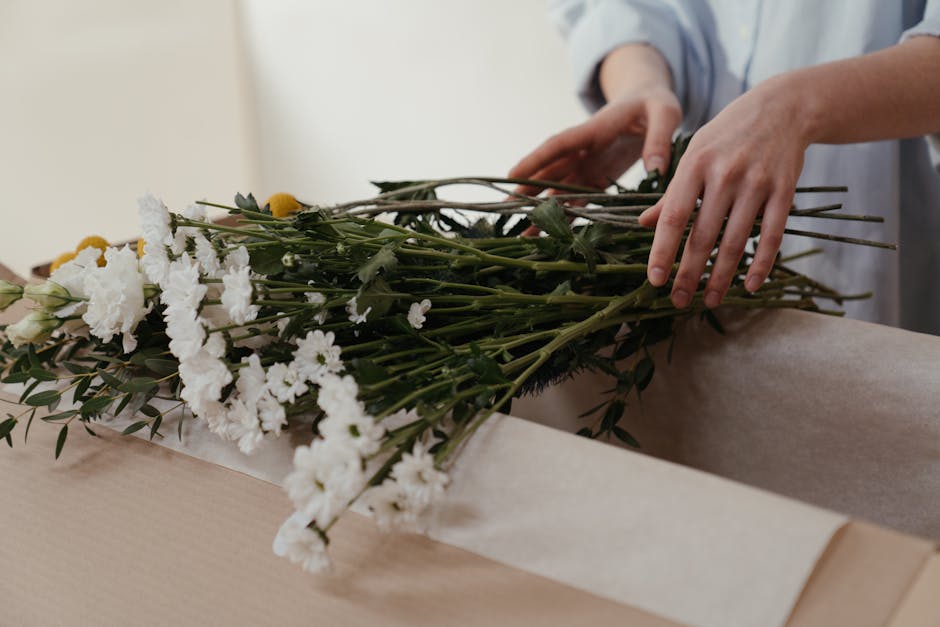
Sustainable bouquet care and recycling tips to reduce floral waste
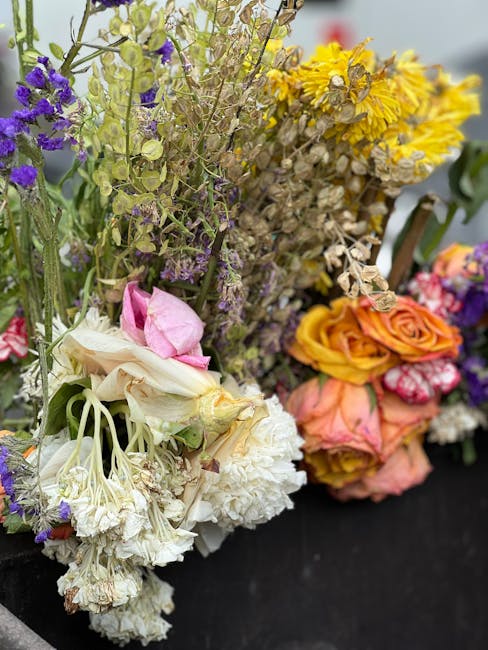
If you have ever brought home a bouquet, admired it for a day or two, and then watched it fade a bit too quickly, you are not alone. Fresh flowers are lovely, but they can also create a surprising amount of waste once the stems, wrap, water, ribbon, and packaging all pile up. The good news? Sustainable bouquet care and recycling tips to reduce floral waste can make a real difference without turning flower enjoyment into a chore.
This guide shows you how to keep bouquets fresher for longer, reuse what can be reused, recycle what should be recycled, and cut down on the little bits of waste that often get missed. It is practical, not preachy. And yes, it works for everyday gift bouquets, wedding flowers, event arrangements, and those treat-yourself bunches that arrive on a Thursday and brighten the room by Friday morning.
Along the way, we will cover care habits that extend vase life, smarter disposal methods, packaging choices, and the best ways to handle wilted blooms, foliage, and floral foam. Let's face it, flowers are meant to bring joy - not a bin bag full of soggy stems.
- Why it matters
- How it works
- Key benefits and practical advantages
- Who needs this and when it makes sense
- Step-by-step guidance
- Expert tips for better results
- Common mistakes to avoid
- Tools, resources and recommendations
- Law, compliance, standards, or best practice
- Options, methods, or comparison table
- Case study or real-world example
- Practical checklist
- Conclusion
- Frequently asked questions
Why Sustainable bouquet care and recycling tips to reduce floral waste Matters
At first glance, a bouquet seems simple. You buy flowers, put them in water, enjoy them, then compost or bin what is left. But the reality is a bit messier. A typical bouquet often comes with plastic sleeves, elastic bands, water vials, ribbon, sticker labels, mixed wrapping, and sometimes non-recyclable floral accessories. Add in short vase life, and suddenly the waste feels larger than the joy it started with.
Sustainable bouquet care and recycling tips to reduce floral waste matter because they target the whole life of the bouquet, not just the moment it is purchased. Better care means blooms last longer. Smarter sorting means more of the packaging can be reused or recycled. Better disposal means less ends up in general waste. That adds up, especially for households that receive flowers regularly, businesses ordering displays, or couples planning events.
There is also a simple emotional point here. A bouquet that lasts several extra days feels worth more. You get more time with the scent, colour, and texture. You do not need to be a florist to notice the difference either. A fresh trim, clean vase, and the right water routine can be the difference between a sad-looking arrangement by Wednesday and a proper focal point on the kitchen table through the weekend.
For businesses and larger events, waste reduction becomes even more visible. Offices, hotels, and hospitality venues often deal with flower packaging, display remnants, and deconstructed arrangements every week. If that sounds familiar, it may also be worth looking at our sustainability approach and related care advice such as flower care guidance, which can help align purchasing and aftercare habits.
How Sustainable bouquet care and recycling tips to reduce floral waste Works
The idea is straightforward: reduce waste at each stage of the bouquet's journey. That means choosing flowers and packaging with care, keeping the bouquet in good condition for as long as possible, and separating materials properly when the flowers are spent.
Here is the basic model:
- Prevent waste first. Start with good buying decisions and thoughtful handling so the bouquet lasts longer.
- Extend vase life. Use correct trimming, water changes, and placement to slow wilting.
- Reuse before you recycle. Save jars, ribbons, sturdy wrap, cards, and gift boxes where possible.
- Recycle correctly. Sort clean paper, card, certain plastics, and glass according to local rules.
- Compost what is suitable. Once flowers are fully spent, many stems and petals can be composted if they are free of plastics and treated materials.
The practical trick is to separate materials early. Wet tissue paper stuck to cardboard, or plant matter wrapped around ribbon, makes recycling harder. A few seconds of sorting before the bouquet goes into the bin can save a lot of waste. Small thing, but it matters.
Another important point: not all bouquet materials are equal. Natural raffia is usually easier to repurpose than synthetic ribbon. Kraft paper may be recyclable if it is clean and dry. Plastic film may or may not be accepted locally. Floral foam, meanwhile, is a different story and often requires specialist disposal rather than ordinary household recycling. More on that later.
Key Benefits and Practical Advantages
People often think "sustainable" means "more effort for less reward." In bouquets, it is usually the opposite. The right habits make flowers look better for longer and make cleanup calmer. That is a win in anyone's book.
- Longer vase life. Fresh water, angled stem cuts, and a clean vase help flowers stay attractive for more days.
- Lower household waste. Reusing wrap, vases, and accessories reduces the amount thrown away after one occasion.
- Better recycling outcomes. Clean, separated materials are easier to sort and more likely to be accepted.
- Lower event waste. Weddings, corporate displays, and seasonal decorations produce less avoidable landfill waste.
- Better value. A bouquet that lasts longer gives you more time and enjoyment for the money spent.
- Cleaner kitchen routines. Less decomposing plant matter left too long means fewer smells and less mess. Not glamorous, but true.
There is also a design benefit people overlook. Sustainable bouquet care encourages you to think more carefully about arrangements in the first place. That can mean fewer filler materials, fewer unnecessary extras, and a more natural look. In our experience, a simple bouquet with good stem structure often ages more gracefully than an overpacked arrangement with lots of fragile add-ons.
Who This Is For and When It Makes Sense
This approach is for anyone who buys, receives, arranges, or disposes of flowers. That sounds broad because it is. If flowers enter your home or workplace, sustainable care and recycling can probably help.
It makes especially good sense for:
- Households that receive bouquets as gifts or buy them regularly for the home.
- Couples planning weddings and trying to keep floral spend and waste under control.
- Offices and corporate teams that refresh reception areas or meeting spaces with flowers.
- Event planners looking for lower-waste floral styling.
- People who compost and want to make better use of spent blooms.
- Gift buyers who want the bouquet to feel thoughtful from delivery to disposal.
It is also useful if you live in a flat or have limited storage. Why? Because sustainable care often cuts down on clutter. Fewer throwaway extras, fewer forgotten stems, fewer sad packets of wrapping left around the sink. There is a lovely simplicity to it, really.
If you are looking for bouquet types that already last well, you may find inspiration in our guide to longlasting flowers and practical bouquet handling advice in best practices for arranging and looking after cut flowers.
Step-by-Step Guidance
Here is the part that makes the biggest difference. Do these steps in order, and you will usually see better results right away.
1. Start with a clean vase
A vase that still has old residue can shorten the life of fresh blooms. Wash it with warm water and a little mild detergent, then rinse properly. If you can still smell yesterday's flowers in the glass, give it another rinse. It needs to be clean-clean, not "probably fine."
2. Trim the stems properly
Cut each stem at an angle with a clean, sharp tool. A diagonal cut helps the stem draw in water more effectively. Remove any leaves that would sit below the waterline, because submerged foliage tends to decay and cloud the water.
3. Use fresh water and flower food if supplied
Follow the care packet instructions if flower food is included. If not, plain fresh water is better than old water. Change it regularly. With many bouquets, every two days is a sensible rhythm, though some arrangements need more frequent attention in warm rooms.
4. Keep the bouquet out of direct heat
A sunny windowsill may look pretty, but it can be rough on cut flowers. Keep bouquets away from radiators, ovens, fruit bowls, and draughty spots. Ethylene from ripening fruit can shorten vase life, so that banana bowl on the counter is not always a bouquet's best friend.
5. Reposition as flowers open
Some stems will open faster than others. Rotate the bouquet gently so the arrangement keeps its shape as individual flowers mature. If one stem is fading early, remove it before it affects the rest.
6. Reuse the useful bits
Keep the vase, ribbon, gift tag, and any clean paper wrap for future use. A sturdy box can often be reused for storage or gifting. If the bouquet came with a water vial, check whether it can be rinsed and reused safely before keeping it.
7. Sort the waste at the end
Once the bouquet is finished, separate plant material from non-plant material. Compost the flowers if they are untreated and suitable. Recycle clean paper or cardboard if accepted locally. Put non-recyclable films, ties, and mixed materials in the correct waste stream. It is a little boring. Still worth doing.
For people who like a more methodical approach, our article on conditioning bouquets for longevity is a useful companion read, especially if you are handling larger arrangements or event flowers.
Expert Tips for Better Results
These are the small habits that tend to separate a "nice bouquet" from a "surprisingly long-lasting bouquet." Nothing magical. Just the sort of detail florists notice immediately.
- Change the water before it looks cloudy. Cloudiness often means bacteria are building up.
- Refresh the stem ends every few days. Even a tiny trim can help with water uptake.
- Use a vase sized for the bouquet. Crowded stems bruise each other, while a too-large vase can let everything flop around.
- Remove fading blooms early. One tired stem can spoil the look faster than you expect.
- Group similar flowers together when sorting waste. It makes composting or disposal easier later.
- Save the packaging dry. Dry paper and card are far easier to recycle than damp, petal-covered wrap.
- Plan for a second life. A bouquet can become a smaller table arrangement, dried display, or compost feedstock before it reaches the bin.
A small human tip, from the kitchen-table end of things: do the sort-out while the flowers are still a bit lovely. Once everything has collapsed into one sad heap, the job feels twice as fiddly. If you trim, sort, and rinse as you go, it stays simple.
If dried flowers appeal to you, you may also enjoy flower preservation techniques, which can help stretch the life of stems well beyond the fresh bouquet stage.
Common Mistakes to Avoid
Most floral waste problems do not come from bad intentions. They come from small oversights that build up. A bit of water here, a bit of wrap there, and suddenly the whole thing becomes waste-heavy.
- Leaving leaves under water. This speeds up decay and shortens bouquet life.
- Using a dirty vase. Bacteria can spread fast in cut flowers.
- Mixing all waste together. Once paper, plastic, ribbon, and stems are tangled, recycling gets harder.
- Assuming all wrap is recyclable. Some films, coated papers, and mixed laminates are not.
- Throwing floral foam into general recycling. It usually needs different handling and is often not accepted curbside.
- Forgetting to reuse decorative items. A card, ribbon, or sturdy box may have another life.
- Overfilling the vase. Too many stems squeezed together can cause bruising and poor water movement.
One more thing. Do not leave spent bouquets in a warm room for days because you "mean to sort them later." We have all done it. The smell reminds you eventually. Better to deal with it while the stems are still manageable.
Tools, Resources and Recommendations
You do not need specialist kit to care for bouquets sustainably, but a few basic tools help a lot.
| Item | Why it helps | Best use |
|---|---|---|
| Sharp scissors or floral snips | Makes cleaner stem cuts with less crushing | Initial trimming and refresh cuts |
| Clean vase | Reduces bacterial build-up | Every bouquet |
| Small compost caddy | Keeps spent stems separate from mixed waste | Composting flowers and leaves |
| Recycling bin or sorting box | Helps keep paper, card, and plastics separate | Packaging disposal |
| Dry storage box | Lets you reuse ribbons, cards, and wrap later | Repeat gifting or storage |
| Gardening gloves | Useful for thorny stems and larger clean-ups | Roses and mixed arrangements |
For practical sourcing and service choices, it can also help to understand how your florist or supplier works. Our page on about us can give you a sense of the values behind the service, while flower delivery and delivery information are useful if you are trying to reduce damage in transit. A bouquet that arrives in good condition starts the sustainability story on the right foot.
For more on eco-conscious styling, see our piece on designing ecofriendly bouquets at home without special tools. It is a good reminder that sustainable choices do not have to feel fussy.
Law, Compliance, Standards, or Best Practice
There is not a single bouquet-specific legal rule that covers every home or shop situation, and that is where common sense and local waste guidance come in. In the UK, recycling and composting rules vary by council, so the safest approach is to sort materials according to local collection instructions rather than assuming every paper, plastic, or plant item is accepted everywhere.
For businesses, especially offices, hospitality venues, event teams, and florists, best practice usually means a few simple but important habits:
- Separate waste streams clearly. Keep plant waste apart from packaging where possible.
- Use approved disposal routes. Check what your local waste contractor accepts.
- Avoid contaminating recycling. Wet food waste, sticky labels, or mixed materials can cause whole batches to be rejected.
- Handle any treated materials cautiously. Artificial foliage, wire, foam, and coated wraps may need different disposal routes.
- Keep customer information accurate. If you are telling clients how to care for or dispose of arrangements, make sure the instructions are realistic and local enough to be useful.
If you order flowers for workplaces or events, practical supplier standards matter too. Clear communication, decent packaging, and reliable handling can reduce waste before the bouquet even arrives. Our guide to ordering corporate event flowers touches on planning that helps avoid over-ordering and unnecessary spoilage.
For larger builds, foam-free or foam-reduced design choices are worth considering. If you work with installations, see foamfree installation methods for more context on reducing non-recyclable materials in bigger displays.
Options, Methods, or Comparison Table
Different bouquets and situations call for different approaches. There is no single "perfect" method, so it helps to compare the practical options.
| Method | What it is | Best for | Limitations |
|---|---|---|---|
| Fresh-vase care | Trimming, clean water, and regular maintenance | Everyday bouquets and gifts | Needs a little routine attention |
| Reuse and repurpose | Saving vases, ribbon, wrap, and cards for later | Households and repeat gifting | Only works for clean, intact materials |
| Composting plant waste | Turning spent flowers into compost feedstock | Untreated stems and petals | Not suitable for mixed waste or contaminated items |
| Recycling packaging | Sorting paper, card, glass, and accepted plastics | Clean, dry packaging | Rules vary locally and materials must be clean |
| Drying or preserving flowers | Keeping stems as decor after freshness fades | Sentimental bouquets and longer-term display | Not every flower dries well, and colour may change |
In practice, many people use a mix of these methods. A wedding bouquet might be displayed fresh for a few days, dried for keepsake use, and then the remaining stems composted. That layered approach is often the most realistic one. And honestly, the bouquet gets a richer life that way.
Case Study or Real-World Example
Imagine a small office in central London that receives a fresh bouquet every Monday for reception. Before switching to a more sustainable routine, the flowers were placed in a vase without much sorting, the packaging was binned together, and the stems were tossed once they faded. Nothing dramatic. Just a lot of easy waste.
After making a few changes, the team started doing three things differently. First, they unpacked the flowers carefully and separated cardboard, paper wrap, plastic film, and ties straight away. Second, the receptionist trimmed the stems and changed the water every couple of days. Third, once the bouquet was finished, the plant material went into a separate caddy for composting where suitable, and reusable vases stayed in rotation.
The result was not flashy. It was better. The flowers lasted longer in the lobby, cleanup became quicker, and the waste bin no longer filled up with a tangled mix of wet petals and packaging. That small shift changed the feel of the whole weekly delivery. It looked more considered. Less thrown away. More intentional.
A private household can do the same, just on a smaller scale. One family might reuse the glass vase for years, dry a few favourite stems, and compost the rest of the arrangement. Another might keep ribbon and gift cards in a drawer for future occasions. Simple actions, but they build a habit. And habits are where the waste reduction really happens.
Practical Checklist
Use this quick checklist each time you receive or dispose of a bouquet:
- Wash the vase before arranging fresh flowers.
- Trim stems at an angle with clean snips.
- Remove leaves that would sit below the waterline.
- Use fresh water and flower food if provided.
- Keep flowers away from heat, fruit, and direct sun.
- Refresh water regularly and remove fading stems.
- Reuse clean wrap, ribbon, cards, and boxes where possible.
- Sort packaging into paper, card, plastic, or mixed waste as appropriate.
- Compost suitable plant matter if your local system allows it.
- Check local council guidance for anything you are unsure about.
Expert summary: the simplest sustainable bouquet routine is also the most effective one: keep flowers fresher for longer, sort materials early, reuse the good bits, and dispose of the rest carefully. That combination cuts waste without taking the joy out of the flowers.
Conclusion
Sustainable bouquet care and recycling tips to reduce floral waste are really about making the whole flower experience more thoughtful. The bouquet lasts longer, the packaging gets a second life where possible, and the waste that remains is easier to handle properly. You do not need a dramatic overhaul. Just a few steady habits, repeated each time.
If you remember only one thing, let it be this: care at the start saves waste at the end. Trim, clean, sort, reuse, compost where suitable, and recycle what your local system actually accepts. That is how beautiful flowers stay beautiful in a more responsible way.
If you are planning a bouquet order, a delivery, or a wider floral setup, choosing a supplier that thinks about longevity and waste can make everything easier from the start. Get a free quote today and see how much you can save.
And if all you manage this week is one cleaner vase and one less bag of mixed waste, that still counts. Quiet progress is still progress.
Frequently Asked Questions
How do I make a bouquet last longer at home?
Start with a clean vase, trim the stems at an angle, remove leaves below the waterline, and change the water regularly. Keep the bouquet away from direct sun, heat sources, and fruit bowls. These small habits usually make the biggest difference.
Can I recycle flower wrapping paper?
Sometimes, yes, but only if it is clean, dry, and accepted by your local recycling system. Coated, shiny, or mixed-material wrap may not be recyclable. If in doubt, separate it and check your council guidance rather than guessing.
Are flower stems compostable?
Many untreated flower stems and petals can be composted, as long as they are free from plastic ties, wire, foam, glitter, or coated packaging. If the flowers have been heavily treated or mixed with other waste, they may be better placed in general waste or a separate green-waste stream if available.
What should I do with floral foam?
Floral foam is not usually suitable for ordinary household recycling. It is best kept out of recycling bins and disposed of according to local waste guidance. If you regularly use floral foam, it may be worth looking at foam-free design options instead.
Is it better to dry flowers or compost them?
It depends on what you want from the bouquet. Drying works well for sentimental arrangements or stems you want to keep as decor. Composting is better if the flowers are no longer useful and are suitable for composting. Some people do both: dry a few favourites and compost the rest.
How often should I change vase water?
A good rule of thumb is every two days, though some bouquets benefit from more frequent changes in warm rooms. If the water looks cloudy or smells off before then, change it sooner. Clean water is one of the simplest ways to extend vase life.
Can I reuse ribbon and gift wrap from bouquets?
Yes, if the materials are clean and still in good condition. Ribbon, kraft paper, sturdy gift bags, and decorative cards can often be saved for future use. It sounds small, but these bits add up over time.
What flowers last longest in a sustainable bouquet?
Flowers known for better vase life are often a smart choice because they reduce waste by staying attractive for longer. If you want inspiration, our guide to longlasting flowers is a useful place to start.
Do I need special tools for sustainable bouquet care?
No, not really. A clean vase, sharp scissors, and a simple way to separate recycling and compost are enough for most homes. Fancy tools can help, but they are not required. A calm routine matters more than a full kit.
What is the biggest mistake people make with bouquet waste?
The biggest mistake is mixing everything together too quickly. Once plant waste, plastic wrap, ribbon, and card are all tangled, nothing is easy to sort. A minute of separation at the end saves far more effort later.
Is sustainable bouquet care worth it for one-off gifts?
Yes, especially if you enjoy flowers and want them to last. Even a one-off gift can benefit from better care and better disposal. Plus, it feels good to treat the bouquet well from start to finish. That matters too.
How can businesses reduce floral waste in offices or events?
They can choose longer-lasting arrangements, use fewer mixed materials, sort packaging properly, and plan disposal routes in advance. For larger orders, it also helps to work with suppliers who think about packaging and longevity from the outset. Small planning step, big practical payoff.