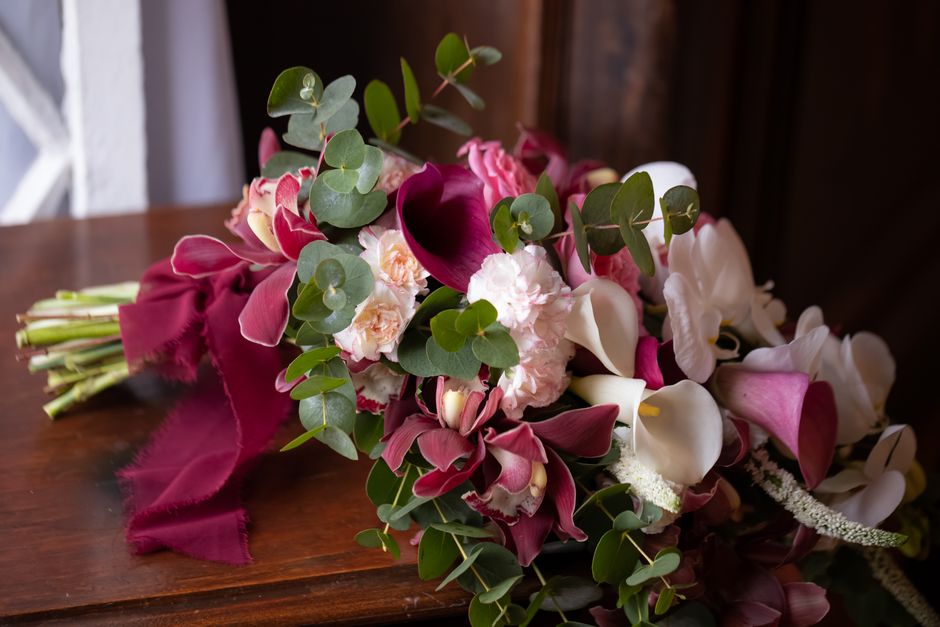
Step by step guide to conditioning wedding bouquets for longevity
If you have ever watched a bridal bouquet go from fresh and luminous to a little tired far too quickly, you will know why conditioning matters. The good news is that a careful step by step guide to conditioning wedding bouquets for longevity can make a real difference to how long those flowers stay beautiful, especially through a long wedding day, transport, photos, and the inevitable hustle around the venue.
Conditioning is not glamorous. It is the quiet, practical work behind a bouquet that still looks elegant when the vows are over and the evening lights are on. Done properly, it helps stems hydrate, reduces stress after cutting, and gives the flowers a better chance of holding their shape and colour. In this guide, I'll walk you through exactly how to do it, what to avoid, and which small details matter more than people think. Truth be told, the small details are often the whole game.
Whether you are a florist, a wedding planner, or simply helping a friend prepare for the big day, this is the sort of process that rewards calm hands and a bit of patience. And yes, it does feel slightly fussy at first. Then you see the bouquet looking fresh at 9pm, and suddenly the fuss makes sense.
Table of Contents
- Why conditioning wedding bouquets matters
- How bouquet conditioning works
- Key benefits and practical advantages
- Who this is for and when it makes sense
- Step-by-step guidance
- Expert tips for better results
- Common mistakes to avoid
- Tools, resources and recommendations
- Law, compliance, standards, or best practice
- Options, methods, or comparison table
- Case study or real-world example
- Practical checklist
- Conclusion
- Frequently asked questions
Why Step by step guide to conditioning wedding bouquets for longevity Matters
Wedding flowers have a hard job. They are cut, packed, transported, handled, photographed, held, pinned, moved again, and sometimes left in warm rooms for hours. That is a lot for a living thing that was, quite recently, rooted in water.
Conditioning is the bridge between the field and the ceremony. It helps flowers recover from the stress of cutting and shipping so they can take up water properly. Without it, stems may stay blocked, petals can crisp early, and delicate blooms can droop before the reception is even underway. Nobody wants that moment when the bouquet starts looking apologetic halfway through the group photos.
For wedding work, longevity is not just about aesthetics. It affects confidence, timing, and even the flow of the day. A bouquet that looks composed through the afternoon gives the bride or bridal party one less thing to worry about. And honestly, that peace of mind matters as much as the flowers themselves.
It also helps with design quality. Better-conditioned stems are easier to arrange, more cooperative in hand-tied bouquets, and less likely to collapse once tied. In practical terms, this means neater mechanics, better balance, and a bouquet that keeps its shape for longer.
How Step by step guide to conditioning wedding bouquets for longevity Works
Conditioning is a mix of hydration, temperature control, cleanliness, and timing. The basic idea is simple: give the flowers the best possible start after cutting or delivery so they can absorb water efficiently before the wedding.
Most blooms need three things to do well:
- Clean stems so bacteria do not clog the water uptake system.
- Fresh cuts so the flower can drink again after transport or storage.
- Cool, stable conditions so the blooms do not lose moisture too quickly.
Different flowers respond differently. Roses, hydrangeas, tulips, peonies, ranunculus, and lilies each have their own little quirks. Hydrangeas, for example, can be thirsty and dramatic if even slightly neglected. Roses are generally more forgiving, but they still need a proper recut and enough water time. Soft-headed blooms and very open flowers usually need extra care, not less.
Think of conditioning as restoring balance. The flower has lost some moisture during cutting and travel. Your job is to help it rehydrate gradually without shocking the stem or petals. If you rush that process, the bouquet may look fine for an hour and then quietly go downhill. Slow and steady is usually better. Slightly boring, yes. Effective, absolutely.
Key Benefits and Practical Advantages
The main benefit is obvious: longer-lasting flowers. But the practical upside goes a little further than that.
- Better bouquet shape: Conditioned stems are less likely to sag or twist awkwardly.
- Improved freshness for photos: A bouquet can look cleaner and more refined in close-up shots.
- Less stress on the day: Good conditioning reduces last-minute panic and emergency stem swaps.
- More design flexibility: Florists can work with flowers that behave more predictably.
- Reduced waste: When stems last longer, fewer flowers need replacing.
There is also a commercial side to this. For florists, strong conditioning practices support customer satisfaction and can reduce callbacks or refund conversations. If you work in wedding flowers regularly, pairing good care habits with reliable service standards matters. Pages such as flower care guidance and the site's guarantees page can help set expectations clearly for clients.
For couples, longevity also protects the photos, the reception decor, and those little in-between moments. A bouquet is not just a prop. It is in the hands, in the aisle, on the table, and often in the memory of the day. It deserves a decent start.
Who This Is For and When It Makes Sense
This process is useful for almost anyone handling wedding flowers, but it is especially important in a few situations.
- Florists preparing bridal bouquets for same-day or next-day weddings.
- Wedding planners and venue teams managing delivery windows and storage.
- Couples receiving bouquets in advance who need to keep them fresh until the ceremony.
- Family or friends helping out with DIY wedding flowers.
- Corporate or hospitality teams coordinating floral arrangements for formal events where presentation matters.
It makes the most sense when flowers have travel time, when the weather is warm, or when the bouquet includes delicate blooms that do not forgive neglect. A cool spring morning in the UK is easier to manage than a hot afternoon in a crowded room, but even then, a bouquet still benefits from proper prep.
If you are ordering flowers rather than arranging them yourself, it is worth thinking ahead about delivery timing. The site's flower delivery options and delivery information are useful touchpoints for planning when blooms should arrive so conditioning can begin at the right moment.
Step-by-Step Guidance
Here is the practical part. This is the sequence I would recommend for most wedding bouquets, with notes where you may need to adjust for specific flower types.
1. Prepare a clean workspace
Start with a cool, tidy area away from direct sunlight, heaters, and draughts. Clean buckets, sharp snips, fresh water, and a disinfected surface are the basics. Bacteria in old water is one of the fastest ways to shorten vase life, so do not skip the cleaning bit. It is not the fun part, but it is the part that quietly saves the day.
2. Remove packaging carefully
Take off paper, sleeves, ties, and any tight wrapping that may have trapped moisture. Let the flowers breathe. If the bouquet has been transported in a box, let it settle before doing much else. Some blooms can look a little compressed at first, and that is normal. Give them a moment.
3. Inspect every stem
Look for bent stems, bruised petals, damaged leaves, and signs of wilt or dehydration. Remove anything seriously compromised. A bouquet only performs as well as its weakest parts, and a small damaged stem can drag the overall look down. You do not need to be ruthless, just selective.
4. Strip excess foliage below the waterline
Any leaves that would sit in water should come off. Leaves underwater decay quickly, which increases bacterial growth and shortens vase life. Keep enough foliage for design and texture, but clear the lower stem properly. This small step makes a bigger difference than many people realise.
5. Recut the stems
Using sharp floral snips or a clean knife, cut 1 to 2 cm off each stem at a diagonal. A fresh cut opens up the stem end and improves water uptake. Do this under running water if possible, or immediately place the stems into water after cutting. If you leave them lying around, air can move into the stem and slow hydration. Flowers can be a bit finicky like that.
6. Sort flowers by thirst and firmness
Not all stems need the same treatment. Woody stems, soft stems, and delicate blooms behave differently. Roses and many mixed bouquet flowers will generally hydrate well in clean water. Hydrangeas often need more focused attention, sometimes even a longer soaking period in a cool environment. Delicate wedding flowers can benefit from being kept separate until they are ready for arranging.
7. Place stems into fresh, cool water immediately
Use clean buckets or vases with fresh water. If your flower supplier recommends flower food, use it according to the instructions. Keep the solution consistent rather than inventing your own cocktail; floristry folklore has a habit of sounding more clever than it is. Cool water is usually a sensible default unless a flower variety needs otherwise.
8. Allow a proper hydration period
Let the blooms rest for several hours, or overnight where appropriate, in a cool room. This is where the bouquet starts to recover. Watch how the petals respond. Some flowers will perk up quickly; others take their time. Do not rush to arrange them too soon unless the schedule absolutely demands it.
9. Condition stems before final assembly
Once hydrated, sort the bouquet again and remove any extra leaves or damaged outer petals. Recut if needed, then arrange the flowers into the final hand-tied shape or bouquet structure. Keep movements gentle. Bruising a stem at this stage is annoyingly easy, especially when you are working quickly.
10. Store correctly until handover
After the bouquet is complete, store it in cool conditions away from sunlight, fruit, radiators, and warm car interiors. Fruit releases ethylene gas, which can speed up ageing in some flowers. That is one of those little facts that seems oddly specific until it saves a bouquet.
If the bouquet needs to travel, keep the journey short, shaded, and stable. A damp towel, secure box, or florist carrier can help protect the arrangement from movement. The aim is simple: keep the flowers calm. They do better that way.
Expert Tips for Better Results
Once you have the basics in place, the smaller refinements make a surprisingly large difference.
- Condition in stages: Some wedding bouquets look best if the hardier stems are hydrated first and the most delicate blooms are added later.
- Watch room temperature: Even a few degrees too warm can speed up dehydration and shorten the usable window.
- Handle petals, not just stems: A flower can look fine from the stem but be hiding bruised outer petals that will show in photos.
- Use sharp tools: Ragged cuts reduce water uptake. Dull snips are a very common culprit, and yes, they are a bit sneaky.
- Change water if it clouds: Fresh water is better than trying to squeeze one more hour out of a murky bucket.
One useful habit is to check the bouquet twice: once after hydration and again just before delivery or ceremony prep. A quick second look often catches little issues that were not obvious at the start. In our experience, the last check is where the quiet rescue happens.
Another tip: if you are using fragrance-heavy blooms, keep them out of very warm rooms for too long. The scent is lovely, but heat can make the flowers age faster. A bouquet should smell like a wedding, not a greenhouse left in the sun by mistake.
Common Mistakes to Avoid
Most bouquet problems come from a handful of avoidable errors. Good news: they are easy to fix once you know what to look for.
- Leaving stems out of water too long after cutting.
- Using dirty buckets or tools that encourage bacterial growth.
- Skipping leaf removal below the waterline.
- Cutting stems with blunt scissors instead of clean floral snips.
- Storing flowers in warm rooms or direct sunlight.
- Overcrowding bouquets so air cannot circulate.
- Ignoring flower-specific needs such as extra hydration for thirsty blooms.
The most common issue, honestly, is rushing. Wedding schedules can get hectic and then everybody is making decisions in a corridor or a kitchen under pressure. That is usually where the stem cut is forgotten or the bouquet is left on a table too long. It happens. The trick is to build a routine you can repeat even when the morning gets noisy.
Also, do not assume that a flower "looks okay" means it has been conditioned properly. Flowers are polite that way; they can look calm while still being under the weather.
Tools, Resources and Recommendations
You do not need an elaborate kit, but the right tools make the process cleaner and faster.
| Tool | Why it helps | What to look for |
|---|---|---|
| Sharp floral snips | Creates clean stem cuts for better hydration | Comfortable grip, precise blades, easy to sanitise |
| Clean buckets or vases | Holds fresh water during conditioning | Wide enough for stems, washed thoroughly before use |
| Flower food | Can support water quality when used correctly | Follow label instructions, do not overdo it |
| Soft cloths or towels | Useful for drying hands and wiping surfaces | Lint-free if possible |
| Florist tape or binding materials | Helps with bouquet structure | Use only once stems are hydrated enough |
A florist who is also organised tends to do better than one with the fanciest tools and no system. Keep your buckets labelled if you are working with multiple flower types. Keep stems grouped. Keep the workspace cleared. It sounds simple, because it is.
For readers who want broader care guidance, the site's flower care page is a sensible place to align your bouquet handling with general aftercare practices. If you are preparing flowers for a larger event or repeat orders, the corporate accounts page may also be useful for understanding ongoing service arrangements.
Law, Compliance, Standards, or Best Practice
For most readers, conditioning wedding bouquets is a practical floristry task rather than a regulated one. That said, there are still important standards of care and good business practice to keep in mind in the UK.
If you are a florist handling customer flowers, you should work cleanly, label products clearly, and follow the terms agreed with the customer about delivery, freshness, replacements, or refunds. It is also sensible to be transparent about what flowers can realistically do, especially with seasonal varieties or bouquets that include very delicate stems. No one likes overpromising on a Friday and apologising on a Saturday.
For delivery handling, keep the flowers protected from heat, crushing, and avoidable delays. If you are sending bouquets out, it helps to have straightforward policies on payment, returns, and delivery expectations. The site's payment information, returns and refund policy, and terms and conditions are good examples of the kind of pages customers look for when they want clarity before ordering.
There is also a wider ethical angle in floristry, especially around sourcing and business responsibility. If that matters to you, the sustainability page and the modern slavery statement can support a more trustworthy customer journey. Not every bride will read those pages, of course, but the people who do often care deeply about how flowers are sourced and handled.
Accessibility matters too, even in a content-led guide like this. If you need to understand how a site presents information for different users, the accessibility statement gives useful reassurance about inclusive browsing. Small detail, maybe, but the best wedding businesses tend to sweat the small details.
Options, Methods, or Comparison Table
There is more than one way to condition wedding bouquets, and the best method depends on timing, flower type, and how polished the final arrangement needs to be.
| Method | Best for | Pros | Watch-outs |
|---|---|---|---|
| Quick hydration | Short lead times, sturdier blooms | Fast, simple, practical | Less forgiving for delicate flowers |
| Overnight conditioning | Most wedding bouquets | Strong hydration, better recovery | Needs cool storage and planning |
| Staged conditioning | Mixed bouquets with delicate and firm stems | More control, better balance | Takes more organisation |
| Late-stage finishing | Highly delicate bridal work | Preserves freshness for the ceremony | Requires tight timing and steady handling |
For most weddings, overnight conditioning is the safest all-round choice. Quick hydration can work in a pinch, but it is not ideal if you want the bouquet to carry beautifully through a long day. Staged conditioning is often the sweet spot for complex designs, because it gives you control without losing freshness.
If you are undecided, ask yourself one question: how long must the bouquet look perfect, not just look good? That answer usually points you to the right method.
Case Study or Real-World Example
A straightforward example may help. Imagine a late-summer wedding with a hand-tied bouquet of roses, spray roses, lisianthus, and a few softer accent stems. The flowers arrive the afternoon before the wedding. The venue is warm, the schedule is tight, and there are a million little moving parts because, of course there are.
In that situation, the flowers would be unpacked immediately, the lower foliage removed, and every stem freshly recut before being placed in clean water. The roses and spray roses would hydrate overnight in a cool room, while the most delicate accent flowers might be checked a little more frequently. The final bouquet would be assembled on the morning of the wedding, then kept shaded and cool until handover.
The result is not magic. It is just disciplined care. But the difference is visible: firmer petals, less collapse at the edges, and a bouquet that still feels composed after photographs, hugs, and a fair bit of moving around. You can almost feel when the flowers have been looked after properly. They hold themselves better.
This is also where service reliability matters. If a customer knows a florist has thoughtful preparation, clear delivery handling, and a sensible guarantee policy, trust tends to follow. It is not about big claims. It is about consistent, calm execution.
Practical Checklist
Use this before bouquet handover or delivery.
- Workspace cleaned and cooled
- Tools sanitised
- Fresh water ready
- Stems inspected for damage
- Leaves removed below waterline
- Stems recut cleanly
- Flowers placed in water immediately
- Proper hydration time allowed
- Bouquet assembled gently
- Stored away from heat and sunlight
- Transport planned with minimal movement
- Final visual check completed
If you can tick all of those off, you are in a strong position. Not perfect, maybe, but strong. And in wedding floristry, strong is exactly what you want.
Conclusion
Conditioning wedding bouquets for longevity is one of those jobs that rewards care more than speed. It is a simple idea done properly: clean stems, fresh cuts, good hydration, cool storage, and enough time for the flowers to recover before the day begins. Get those basics right, and the bouquet has a much better chance of looking elegant for the ceremony, the photographs, and the moments after that matter just as much.
The real value of this process is not only longer vase life. It is confidence. Confidence that the flowers will hold up. Confidence that the bouquet will look right in the hand. Confidence that you will not be dealing with avoidable drama when everyone else should be enjoying the day. That kind of calm is worth a lot.
Get a free quote today and see how much you can save.
And if there is one final thought to take away, it is this: flowers respond beautifully when they are given proper care. A little patience goes a long way, and on a wedding day, that is never wasted.
Frequently Asked Questions
How long should wedding bouquets be conditioned before the ceremony?
For many bouquets, several hours to overnight is ideal, depending on the flower varieties and how recently they were cut or delivered. Delicate stems often benefit from more time, while sturdier flowers may be ready sooner.
Can I condition wedding bouquets in the fridge?
Sometimes, yes, if the environment is clean, not too cold, and free from fruit or strong odours. The key is stable cool storage rather than an overpacked fridge that dries flowers out or chills them too harshly.
Do all wedding flowers need the same conditioning process?
No. Roses, hydrangeas, tulips, peonies, and other blooms each have different hydration needs. Mixed bouquets often work best when the flowers are sorted and treated according to stem type and sensitivity.
Should I use flower food for bridal bouquets?
Flower food can help when it is used correctly and paired with clean water and clean buckets. It is not a shortcut, though. Good hygiene and fresh stem cuts still matter more than any additive.
Why do some bouquets droop even after conditioning?
Common reasons include blocked stems, dirty water, too much heat, delayed hydration, or flower varieties that are naturally more delicate. Sometimes the bouquet was simply left out too long during transport or prep.
Is it better to condition flowers before or after arranging the bouquet?
Usually before final assembly. Hydrating stems first gives flowers a better chance to recover and makes the arrangement more stable. Final shaping and tying come after the main conditioning stage.
How can I keep a bridal bouquet fresh during transport?
Keep it shaded, upright if possible, and away from direct heat. A secure box or floral carrier can reduce movement, which helps protect petals and stems from bruising.
What is the biggest mistake people make with wedding bouquet care?
Rushing the process. It sounds simple, but cutting corners on cleaning, stem cuts, or hydration time is usually what shortens bouquet life the most.
Can I condition bouquets the day before a wedding?
Yes, and for many weddings that is actually the safest plan. Day-before conditioning allows enough time for flowers to hydrate properly while still leaving room for final assembly on the wedding morning.
Do warm venues shorten bouquet life?
They often do. Warm rooms speed up water loss and can make petals age faster, so conditioning becomes even more important when the ceremony or reception space is heated or crowded.
How do I know if the bouquet has been conditioned properly?
The stems should feel hydrated, the flowers should look more settled and open without collapsing, and the bouquet should hold together neatly. You will usually notice a healthier, firmer look rather than a tired or floppy one.
Where can I find more general flower care guidance?
A good place to start is the site's flower care page, which supports the same practical principles used for wedding bouquet conditioning.