Insider tips to extend bouquet life from UK florists
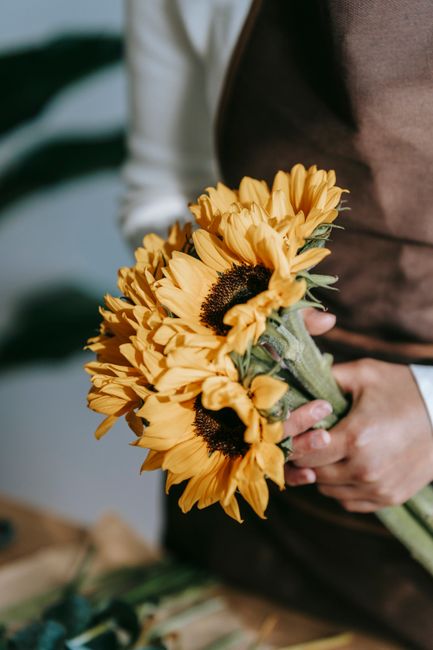
There's nothing quite like a fresh bouquet landing on the table on a grey UK afternoon. The room changes instantly. The colour lifts everything. But let's be honest: too many bouquets start to droop far sooner than they should, usually because the little details get missed in the first ten minutes after they arrive. That's where these insider tips to extend bouquet life from UK florists really help. They're practical, florist-approved habits that make a noticeable difference, whether you've had flowers delivered for a birthday, a thank-you, or just because you fancied something cheerful by the kettle.
In this guide, you'll learn how florists think about flower care, what shortens vase life, and the simple things you can do at home to keep stems looking brighter for longer. A few of the tips are so small they almost feel silly. And yet, they work. Truth be told, bouquet care is one of those areas where consistency beats drama every time.
Why Insider tips to extend bouquet life from UK florists Matters
A bouquet is perishable. That sounds obvious, but it changes how you look after it. Flowers are cut living material, not decor that can be left alone for days. Once stems are separated from the plant, they need support, hydration, cleanliness, and the right temperature. Miss those basics and the vase life drops fast. Get them right and, in many cases, you'll get several extra days of freshness, better shape, and less petal drop.
For UK homes, the weather plays a bigger role than people expect. One day the radiator is on, the next the kitchen is warm from cooking, then the hallway feels chilly and damp. Flowers notice all of that. A bouquet placed near fruit, a sunny window, or a radiator may fade faster than one kept in a cooler, calmer spot. It's not fussy behaviour. It's biology.
Why does this matter beyond the obvious joy of longer-lasting blooms? Because flowers are often given with meaning attached. If the arrangement collapses after two days, the moment feels smaller than it should. If it stays beautiful for a full week or more, the gift continues working. That's the real value.
Expert summary: The single biggest bouquet-life gains usually come from clean water, a sharp recut on arrival, the right room temperature, and removing fading stems before they contaminate the rest.
If you're buying flowers regularly, good care also protects your money. A bouquet that lasts well gives better value than one that looks tired before the weekend. If you want to pair good care with reliable delivery, it can help to understand the service side too, including flower delivery options and the practical details behind delivery expectations.
How Insider tips to extend bouquet life from UK florists Works
Florists extend bouquet life by controlling the three things that matter most: bacteria, hydration, and stress. Cut flowers decline mainly because their stems struggle to pull water up fast enough, while bacteria clog the stem ends and dirty water makes everything worse. Heat, direct sun, drafts, and poor handling add more pressure. The good news? You can influence all of that at home.
Think of a bouquet as a system. The stems need a fresh cut so water can travel properly. The vase needs cleaning so the water stays usable. The leaves below the waterline need removing because they rot quickly. Then you need to place the arrangement somewhere sensible. None of this is glamorous. It is, however, exactly what a florist would do if they were looking after the same flowers in the shop.
Some flowers are naturally sturdier than others. Alstroemeria, chrysanthemum, carnations, and many spray roses often hold up well with the right care. More delicate blooms may need a bit more attention. Seasonal differences matter too. In colder months, bouquets may last longer simply because the room is cooler. In summer, everything speeds up. The trick is to respond early rather than waiting until the flowers are already soft at the edges.
One useful way to think about it: the first 24 hours set the tone. If you strip leaves, recut stems, use a clean vase, and avoid heat, the bouquet starts in a good place. If you just dump it in water and hope for the best, well, the flowers usually make that known by day two.
Key Benefits and Practical Advantages
Better bouquet care gives you more than a prettier windowsill. It changes the whole experience of receiving flowers.
- Longer vase life: Fresh water, regular stem care, and better positioning can noticeably extend display time.
- Better appearance: Stems stay firmer, petals hold shape, and colour tends to look brighter for longer.
- Less waste: You throw away fewer flowers and fewer murky vases of water.
- Improved scent and presentation: A healthy bouquet smells fresher and simply looks more cared for.
- Better value for money: Especially useful if you buy flowers often or send gifts for birthdays, anniversaries, or corporate occasions.
There's also a practical mental benefit. When a bouquet stays beautiful, it keeps the little moment alive. You notice it while making tea. You glance at it while working from home. It becomes part of the room, not just a passing delivery.
That matters for homes, but also for offices, receptions, restaurants, and event spaces. If you need flowers for regular business use, keeping arrangements fresh becomes part of the brand impression. In that setting, you may want to explore corporate accounts for a more structured approach to ongoing flower needs.
Who This Is For and When It Makes Sense
This advice is for anyone who wants their flowers to last longer, but it's especially helpful if you fit one of these groups:
- people receiving bouquet gifts at home
- households that buy weekly or monthly flowers
- office managers and reception teams
- restaurants, salons, hotels, and client-facing spaces
- gift buyers who want better value from a special delivery
- anyone caring for seasonal bouquets, wedding leftovers, or sympathy flowers
It also makes sense when you're dealing with a bouquet that arrived a bit tired from transport, or when you've had a long day and the flowers only get attention later in the evening. To be fair, that happens. Not every delivery lands at the perfect moment. The point is not to be perfect. It is to do the right things quickly once you get round to it.
If you're the sort of person who likes practical reassurance, check the florist's care guidance before and after delivery. A good starting point is the site's own flower care advice, which should sit naturally alongside what you do at home.
Step-by-Step Guidance
Here's the no-nonsense bouquet care routine I'd recommend in most UK homes. Simple, but effective.
- Unwrap the bouquet gently. Remove packaging without damaging the stems. If the arrangement is tied, keep it tied until you've checked the shape.
- Choose a clean vase. Soap residue and old flower bacteria are both bad news. Rinse thoroughly, even if the vase looks clean already.
- Fill with fresh, cool water. Use the level recommended by the florist if one is provided. Too much water can submerge foliage; too little leaves stems thirsty.
- Remove any leaves below the waterline. This is one of the easiest fixes and one of the most overlooked.
- Recut the stems. Trim 1-2 cm from the bottom at a slight angle using clean scissors or a knife. A fresh cut helps water uptake.
- Add flower food if supplied. It's there for a reason. Don't save it for later. Use it on day one.
- Place the bouquet in a cool, stable spot. Avoid radiators, fruit bowls, direct sunlight, and drafts.
- Top up and refresh water regularly. If the water looks cloudy, change it sooner rather than later.
- Remove fading stems promptly. One tired stem can speed up the decline of the rest.
That's the backbone. If you do only those nine things, you're already ahead of a lot of people. Honestly, a lot ahead.
A small but important note: some bouquet types arrive with a water source or hydration wrap for transit. Follow the florist's instructions before changing anything dramatically. That first hour matters, especially after a long delivery route or a warm commute through town.
Expert Tips for Better Results
Now for the insider bits. These are the florist habits that often make the biggest difference but rarely get explained clearly enough.
1. Recut stems under running water if you can
This helps prevent air bubbles and keeps the stem ends cleaner. You do not need a laboratory setup. A sink, a steady hand, and clean tools are enough.
2. Keep the vase away from fruit
Ripening fruit gives off ethylene gas, which can speed up ageing in flowers. A bowl of bananas beside the bouquet is a classic mistake. Beautiful fruit, yes. Bouquet friend, not so much.
3. Watch the room temperature, not just the water
Flowers last better in cooler rooms. If your kitchen gets hot during cooking or your living room sits directly above a radiator, move the arrangement elsewhere overnight.
4. Treat the bouquet like a mini project for the first two days
The first 48 hours are crucial. Check the water morning and evening. Remove anything droopy. Rotate the vase if the flowers lean toward the light. It's a tiny bit of effort and often pays off.
5. Trim, don't crush
Crushed stem ends can struggle to take up water. Use a sharp, clean tool. It sounds fussy, but a blunt scissor can be the difference between a perked-up stem and one that sulks.
6. Don't overcrowd the vase
Too many stems packed tightly together can reduce airflow and make maintenance harder. If the bouquet looks cramped, split it into two smaller containers where appropriate.
7. Remove individual stems as they fade
People often wait until the whole bouquet is past its best. Don't. Pruning out the weak stems keeps the rest looking fresher for longer.
One more thing: if your florist offers guidance specific to the bouquet type, follow that first. A mixed arrangement with lilies, roses, and seasonal fillers may need a slightly different approach from a hand-tied bunch of tulips. Flowers are a bit like people, really. They all have preferences.
Common Mistakes to Avoid
Most bouquet damage happens through small errors, not one big disaster. Here are the ones that show up most often.
- Leaving leaves in the water: This clouds the water and speeds bacterial growth.
- Using a dirty vase: Old residue can shorten vase life surprisingly fast.
- Putting flowers by a window in direct sun: Bright light can be lovely, but not all day on a warm sill.
- Keeping flowers near radiators or fireplaces: Heat dries them out and speeds up wilting.
- Forgetting to change the water: A bouquet in stale water rarely looks happy for long.
- Waiting too long to recut stems: Stem ends seal up and become less efficient.
- Mixing in torn packaging and foliage: A tidy arrangement is easier to maintain and usually lasts better.
A slightly more subtle mistake is trying to "rescue" a bouquet with too many additives. People sometimes use sugar, bleach, aspirin, or random home remedies. Best to keep it simple unless the florist has said otherwise. Clean water, good hygiene, and proper positioning usually beat kitchen experiments. No offence to the kitchen, of course.
Tools, Resources and Recommendations
You do not need specialist gear, but a few basic tools make bouquet care much easier.
| Item | Why it helps | Practical tip |
|---|---|---|
| Sharp scissors or floral snips | Gives a clean cut on the stem | Keep them dedicated to flowers if possible |
| Clean glass or ceramic vase | Reduces bacteria and keeps water fresh | Wash with hot soapy water and rinse well |
| Measuring jug | Makes it easier to follow water guidance | Useful for larger arrangements |
| Flower food | Supports hydration and slows decline | Use it when supplied, not later |
| Soft cloth or paper towel | Helps wipe down stems and surfaces | Handy for spills and cloudy vase rims |
For ongoing care advice, the most useful resource is often the florist's own care page and delivery information. If you're unsure about timing, checking delivery details can help you plan when to unpack, recut, and arrange the bouquet. If something arrives damaged or not as expected, it's also worth understanding the florist's guarantees and returns and refund approach before you need it.
That sort of information is not glamorous, but it's useful. Very useful.
Law, Compliance, Standards, or Best Practice
Flower care itself is not a heavily regulated activity for the customer at home, but there are still sensible UK best-practice expectations around product quality, clear communication, and fair trading. In plain English, a florist should be clear about what you're buying, how it will be delivered, and what to do if there is a problem on arrival.
For customers, the practical takeaway is simple: keep your order confirmation, delivery information, and any care notes together. If the bouquet arrives damaged, late, or not as described, having that information ready makes it easier to raise the issue calmly and clearly. That's not legal advice, just decent process.
It also helps to read the florist's own policies before ordering, especially if you are buying for a specific date or event. The pages on terms and conditions, returns and refund, and privacy policy can answer a lot of the questions people only think to ask after checkout. If you want to understand the wider company values, you may also find the sustainability information useful, especially if low-waste gifting matters to you.
Options, Methods, or Comparison Table
Different care approaches suit different situations. Here's a simple comparison to help you decide what matters most in practice.
| Method | Best for | Pros | Trade-offs |
|---|---|---|---|
| Minimal care | Very low-maintenance households | Quick and easy | Usually shorter vase life |
| Standard home care | Most bouquets | Good balance of effort and results | Needs occasional water changes |
| Florist-style care | Gift bouquets, events, reception areas | Best freshness and presentation | Requires more attention at the start |
| Split arrangement care | Large or mixed bouquets | Better airflow and easier maintenance | Not always suitable for every design |
In most homes, standard care is the sweet spot. Florist-style care gives the best results, but it takes a little discipline. Minimal care works if the bouquet is a short-term display and you're not too bothered once the weekend arrives. Fair enough. Not every bouquet needs a heroic rescue mission.
Case Study or Real-World Example
A very typical scenario: a bouquet is delivered on Friday afternoon for a birthday dinner on Saturday. The recipient is busy, so the flowers sit in the packaging for an hour while guests arrive, then get put into a vase using tap water, but the leaves below the line are left in place. By Monday morning, the water is cloudy and the roses are already soft.
Now compare that with the same bouquet treated in a more florist-like way. It's unwrapped promptly, stems are trimmed, the vase is cleaned thoroughly, leaves are removed below the waterline, and the bouquet is placed on a cool side table away from the fruit bowl. Water is changed on Sunday, and fading stems are removed as soon as they start to droop.
The second version usually feels more alive for longer. Not miraculous, just noticeably better. You may still lose a bloom or two early, because flowers are natural and some arrive at different stages. But the bouquet as a whole stays presentable and enjoyable for longer. That's the point.
A florist in a busy UK shop would recognise that pattern straight away. The care isn't complicated; it's just consistent. And consistency, frankly, is where most of the gains come from.
Practical Checklist
Use this checklist whenever you bring a bouquet home or receive one by delivery.
- Remove outer wrapping carefully.
- Choose a clean vase.
- Wash the vase with hot soapy water and rinse well.
- Fill with fresh, cool water.
- Add flower food if provided.
- Strip any leaves below the waterline.
- Recut stems with a sharp, clean tool.
- Place away from heat, fruit, and direct sunlight.
- Check water level daily.
- Change cloudy water promptly.
- Remove fading flowers before they affect the rest.
- Follow any bouquet-specific florist instructions.
If you're preparing for an occasion, it's worth thinking ahead about timing too. You can review flower delivery options, check the business behind the service on the about us page, and make sure payment and timing suit the event. It's the small bits, really, that save stress later.
Conclusion
The best insider tips to extend bouquet life from UK florists are rarely dramatic. They're small habits done properly: clean the vase, recut the stems, remove leaves below the waterline, keep the bouquet cool, and stay on top of water changes. That is the heart of it. Add a little florist thinking at home and you'll usually get a more beautiful arrangement for longer, with less waste and less disappointment.
Most of all, do not wait until the bouquet looks tired before caring for it. The first day sets the tone, and a few calm minutes up front can save the whole display. Once you get into the rhythm, it becomes second nature. A bit like putting the kettle on first, then worrying about everything else after.
Get a free quote today and see how much you can save.
For readers who want a little more background on the business, you can also explore the florist's values and service pages, including guarantees, contact us, and the main homepage for a broader look at what's offered. Sometimes the confidence to buy well comes from knowing the people behind the bouquet.
Frequently Asked Questions
How do I make a bouquet last longer in a UK home?
Start with a clean vase, fresh water, a stem recut, and a cool spot away from radiators and fruit. Those basics make the biggest difference in most homes.
Should I remove the bouquet wrapping straight away?
Usually, yes. Remove packaging gently as soon as you're able so the stems can breathe and be arranged in water properly. If the florist has given specific transit instructions, follow those first.
How often should I change the water?
Change it when it turns cloudy, and ideally check it daily. In warmer rooms, flowers may need more frequent attention because bacteria build up faster.
Do flower food sachets actually help?
They usually do, especially in the first few days. If a florist supplies flower food, use it as directed rather than ignoring it or saving it for later.
Can I use tap water for cut flowers?
Yes, in most UK homes tap water is fine unless the florist says otherwise. Cleanliness and freshness matter more than trying to use anything fancy.
Why do my flowers wilt so quickly near the window?
Direct sunlight and temperature swings can dry flowers out faster. A bright room is fine, but a hot sill is often too much.
Should I trim stems every day?
Not usually. A fresh recut on arrival and another trim later if stems start struggling is enough for most bouquets. Daily trimming can be unnecessary.
What flowers last the longest in a mixed bouquet?
Hardier stems such as carnations, chrysanthemums, alstroemeria, and some roses tend to hold up well. Mixed bouquets will vary, though, because the most delicate flower often sets the pace.
Is it worth keeping flowers in a cooler room overnight?
Yes, often it is. A cooler room or hallway overnight can help slow decline, especially in summer. Just avoid draughts and damp spots.
What should I do if a bouquet arrives damaged?
Take a quick photo, keep the packaging if needed, and contact the florist promptly with the order details. It's also sensible to check the florist's returns and refund guidance and any stated guarantees.
Does sustainability affect bouquet life?
Not directly in every case, but a florist with good handling, sensible sourcing, and careful packaging often delivers fresher flowers with less waste. That can support both longevity and a lighter footprint.
What's the simplest florist trick I can use tonight?
Clean the vase, strip out any leaves below the waterline, recut the stems, and move the bouquet away from heat. That one small routine can turn a tired display into something much fresher by morning.
If you want a final practical step, bookmark the florist's care guidance, keep an eye on delivery timing, and treat the first 24 hours as the bouquet's reset period. That's usually enough to make the flowers feel looked after rather than merely displayed. And honestly, that care shows.