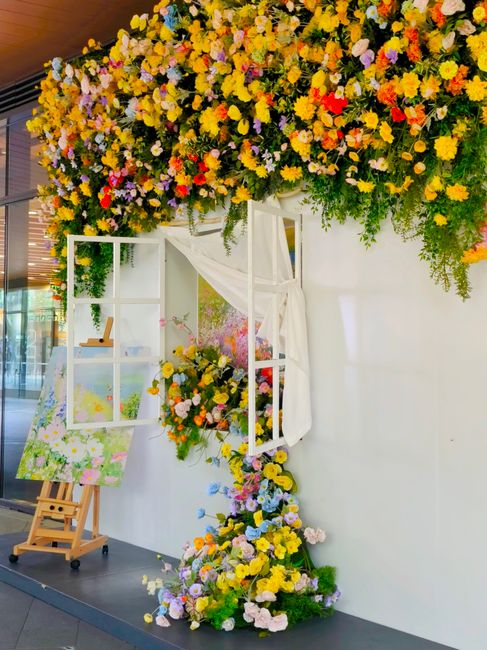
Foam-Free Installations: Pro Methods for Large Floral Displays
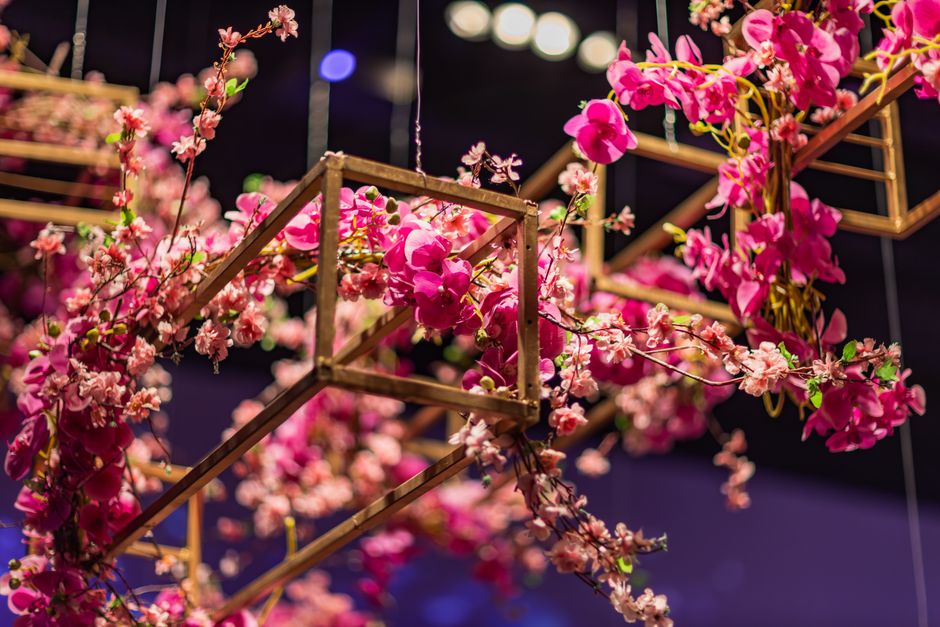
Large floral displays have a habit of looking simple from a distance and wildly complicated up close. Anyone who has ever stood beside a ceremony arch, a hotel entrance feature, or a long corporate table design knows the feeling: the flowers are the easy part, the structure is the real job. That is where Foam-Free Installations: Pro Methods for Large Floral Displays come in. They offer a cleaner, safer, more sustainable way to build scale without leaning on floral foam for every stem.
In practical terms, foam-free design is about control. You still need water, stability, shape, and freshness - just delivered through mechanics that are better suited to modern events and larger installations. If you are planning a statement piece, managing logistics, or trying to cut waste without sacrificing impact, this guide walks through what works, what does not, and how experienced florists keep big designs looking polished rather than wobbly. Truth be told, it is less about gimmicks and more about good structure.
Why Foam-Free Installations: Pro Methods for Large Floral Displays Matters
Foam-free floral mechanics matter because the scale changes everything. A hand-tied bouquet can get away with a lot. A six-foot display cannot. Once you move into larger floral structures, every stem weight, every angle, every anchor point starts to count. If the support is weak, the whole piece starts to sag, dry out unevenly, or drift out of shape by lunchtime.
There is also the question of waste. Foam has long been used because it is quick, but quick is not always better. Many event teams now want installations that are easier to break down, easier to transport, and less messy on site. That is especially true in venues where cleanup windows are tight. Nobody wants to be the person scraping damp green crumbs from a marble floor at 11 p.m. - been there, regretted that.
For large floral displays, foam-free systems are not a trendy alternative. They are a proper professional approach. They work especially well where the display needs to be reused, adjusted, or installed in a delicate setting such as a hotel lobby, gallery, showroom, or wedding marquee. They also suit teams that care about sustainability and a tidier workflow, which, let's face it, is most people once they have done one chaotic install.
If your broader floral work touches corporate events, venue installations, or recurring arrangements, it can also help to understand the wider service experience around corporate floral accounts and dependable delivery arrangements. Large displays live or die by timing as much as by design.
How Foam-Free Installations: Pro Methods for Large Floral Displays Works
The core idea is simple: instead of embedding stems into floral foam, you build a structure that holds water, supports position, and keeps flowers secure through mechanics like chicken wire, pin holders, water tubes, cages, taped grids, reusable vessels, or custom frames. The flowers are then inserted into that structure in a way that keeps them hydrated and stable.
Think of it like architecture for flowers. Foam gives you a fast, forgiving surface, but foam-free design asks for a stronger plan at the start. You decide where the weight sits, how the stems are supported, where water sits, and how the structure will be hidden. Once that is sorted, the display often looks more refined because the mechanics can be cleaner and less bulky.
In practice, the best foam-free installations for large floral displays usually rely on one of these approaches:
- Water-based vessels for table centres, plinth arrangements, and layered displays.
- Wire or mesh armatures for arches, hanging work, and sculptural forms.
- Reusable pin holders or frogs for heavy stems that need accurate placement.
- Custom frames for event installations that need repeatable geometry.
- Hydration tubes and hidden reservoirs for isolated stems or smaller clusters inside bigger pieces.
What makes it "pro" is not just the material, but the judgement. A good florist reads the flowers, the venue, the event duration, and the climate inside the room. A warm marquee at 2 p.m. is a very different beast from a cool church entrance in November. You will notice the difference within an hour if the mechanics are wrong.
To keep stems fresh, mechanics and care work together. That is why it is useful to factor in basic flower handling and aftercare from the start. A practical guide to flower care helps the display look good for longer, especially when the piece has to survive a full event day and maybe a little longer after that.
Key Benefits and Practical Advantages
Foam-free systems are not just about sustainability, although that is a major draw. They also offer more flexibility and often better structural integrity when the design is engineered well. The biggest benefits tend to show up in real-world use, not on mood boards.
- Cleaner breakdown - less mess at pack-down and no foam residue in venues.
- Better sustainability profile - especially useful for brands and clients that ask awkward but fair questions about waste.
- Stronger visual control - stems can be positioned with precision rather than pushed into a soft block.
- Reusable mechanics - many frames, cages, and holders can be cleaned and used again.
- Better hydration planning - water can be managed more directly through vessels or tubes.
- More suitable for large-scale builds - especially arches, runners, stage pieces, and hanging forms.
There is a quieter benefit too: confidence. Once a team trusts the underlying structure, the installation becomes calmer to build. That matters on a busy event morning when everyone is carrying cable ties, secateurs, and coffee cups at the same time. Calm, frankly, is a resource.
For clients comparing options, trust also matters. If you are working with a florist or supplier, it helps to know what happens if something is delayed, damaged, or needs replacing. Reading the site's guarantees and returns and refund information can give a clearer picture of expectations before the event date gets close.
Who This Is For and When It Makes Sense
Foam-free floral installation is not only for ultra-modern design studios. It makes sense for a broad range of people and settings, especially when the display has size, visibility, or logistical pressure behind it.
This approach is especially useful for:
- Wedding florists designing arches, top tables, or aisle features.
- Event planners who need large displays that set up quickly and dismantle cleanly.
- Hotels, venues, and restaurants refreshing entrance pieces or statement florals.
- Corporate teams planning launches, conferences, or seasonal brand installations.
- Florists looking to reduce foam use without compromising design quality.
It makes the most sense when the display is large enough to justify proper structure. If you are doing a tiny posy, a full armature would be overkill. But if you are building something that stretches across a bar, climbs a backdrop, or needs to hold its own for six hours in a warm room, foam-free methods become very attractive.
There is also a budget angle. While some foam-free builds take longer to plan, they can save money over time if the mechanics are reusable. So the question is not simply "what is cheapest today?" It is "what holds up best, looks best, and wastes least over the full project life?" That is the better question, honestly.
Step-by-Step Guidance
Below is a practical way to approach a large foam-free floral display without turning the whole project into a trial-and-error marathon.
- Define the brief clearly. Start with scale, location, duration, and visual style. Is the display front-facing or viewable from all sides? Indoors or outdoors? For one day or a week?
- Check the venue conditions. Temperature, light, access, floor type, and fixing points all affect the build. A stone hall and a tented garden reception need very different mechanics.
- Choose the right support system. Match the method to the design. Wire frames suit airy installations. Water vessels suit heavier, fresher arrangements. Pin holders are good for stems that need exact placement.
- Map weight and balance. Large flowers, branches, and foliage are not equal. Place the heaviest elements where the frame can bear them, and use lighter material to finish the shape.
- Prepare and hydrate properly. Condition flowers well before installation, trim stems at the right length, and stage the mechanics so nothing is left scrambling on site.
- Build in layers. Start with structure, then foliage, then focal flowers, then detail work. Trying to place everything at once usually ends in bruised stems and a slightly frazzled team.
- Test stability before final placement. Give the piece a gentle shake, check the base, and watch for shifting. If the structure moves now, it will move more later.
- Finish for the venue. Hide mechanics where needed, tidy visible edges, and check sightlines from the guest's point of view.
A small but important detail: take photos during setup. Not just for marketing, but because they help you repeat what worked next time. Good floristry often looks elegant because someone quietly documented the build, not because it happened by magic.
Expert Tips for Better Results
Here is where experience makes the biggest difference. The materials matter, but the little decisions matter more.
- Use foliage as structure, not decoration. It can frame the shape, hide mechanics, and carry the eye across a large installation.
- Balance open space with density. Overfilling every gap makes a display heavy and flat. Leaving breathing room gives the arrangement movement.
- Pre-build modular sections where possible. This is a lifesaver for larger events. Smaller components are easier to transport and adjust on site.
- Think about viewing distance. A design viewed from a stage needs bolder shape than a table piece viewed up close.
- Use colour placement strategically. Repeating tones in clusters can make a large design feel intentional rather than patchy.
- Carry spare mechanics. A few extra ties, clips, pins, and tubes can rescue a day. Every florist learns this one eventually. Usually the hard way.
One more thing: do not let the mechanics vanish entirely if that means sacrificing function. A neat structure is good. A structure that cannot hold the flowers is not. The best foam-free work is visible only where it should be, hidden where it matters, and robust throughout.
If your installation is part of a wider event delivery schedule, coordinating timing with the supplier's flower delivery service can make a genuine difference to freshness and setup flow.
Common Mistakes to Avoid
Large foam-free installs fail for predictable reasons. The upside is that most of them are avoidable with a bit of planning.
- Choosing the mechanic after the design. The structure should support the design, not fight it.
- Underestimating weight. Large blooms, wet foliage, and branches can overload a weak base very quickly.
- Ignoring hydration. If flowers are out of water for too long, no amount of pretty engineering will save them.
- Overcomplicating the build. Too many moving parts can make setup slower and breakdown messier.
- Forgetting venue rules. Hanging points, water protection, load limits, and fire considerations should be checked before installation day.
- Skipping a test fit. A dry run can expose awkward angles, unstable joins, or visibility issues.
The sneaky mistake is rushing the final ten per cent. The arrangement might look nearly finished, so teams start cutting corners. That is exactly when a display develops a lean, or a hidden tube starts showing, or the front edge stops reading properly. Nearly finished is not finished.
Tools, Resources and Recommendations
You do not need a warehouse of specialist gear, but you do need the right kit for the job. For large floral displays, the useful essentials are often very ordinary items used well.
| Tool / Material | Best Use | Why It Helps |
|---|---|---|
| Chicken wire or mesh | Frames, domes, and irregular structures | Creates flexible support without foam |
| Water tubes / picks | Single stems, accent flowers, tight spots | Supports hydration in small sections |
| Pin holders / frogs | Low arrangements and precise placements | Keeps stems stable and angled well |
| Reusable frames | Arches, panels, backdrop work | Good for repeat events and modular builds |
| Floral tape, ties, and binding wire | Securing stems and finishing mechanics | Helps lock structure discreetly |
| Sharp secateurs and scissors | Clean stem preparation | Reduces damage and improves water uptake |
A good recommendation, if you are building regularly, is to standardise your core kit. That way your team always knows where the pins, wire, cutters, and tapes live. It sounds boring. It is actually brilliant. Small organisational habits save real time on install day.
If you are working on a repeat corporate programme, it is worth checking the business terms that sit behind service scheduling and payment. The pages on payment and terms and conditions are useful reference points when planning recurring work or larger orders.
Law, Compliance, Standards, or Best Practice
For large floral installations in the UK, the main compliance conversation is usually practical rather than legalistic. That said, professional best practice still matters. Venues may have their own rules about rigging, access, floor protection, waste removal, and fire safety. If a display is suspended or fixed to a structure, it should be checked by someone competent for the venue type and loading conditions.
For event work, the safest approach is to treat each site as its own environment. Do not assume a hotel, church, or conference venue will accept the same fixing method. Always confirm permissions, access times, and any restrictions in advance. A quick site walk-through saves headaches later. It also prevents those awkward "we thought this was allowed" moments that nobody wants on a Thursday afternoon.
From a sustainability point of view, foam-free methods are increasingly aligned with client expectations, especially for brands and venues that want lower-waste practices. If environmental responsibility is part of your brief, it can help to review a supplier's broader approach, including its sustainability information and any relevant business policies such as modern slavery commitments. Those pages are not about floral technique directly, but they do support the wider trust picture for commercial buyers.
Finally, if you are commissioning or ordering as a customer, do read the practical service pages carefully. Delivery timing, substitutions, care expectations, and refund processes all affect what you can realistically expect from a live installation. The details matter. They really do.
Options, Methods, or Comparison Table
There is no single right method for every large floral display. The best choice depends on design style, venue, duration, and how much reuse you want from the mechanics.
| Method | Best For | Strengths | Limitations |
|---|---|---|---|
| Chicken wire or mesh | Organic, free-flowing structures | Flexible, lightweight, reusable | Needs skill to hide well |
| Water-filled vessels | Table and pedestal designs | Good hydration, tidy finish | Can be heavy and less suitable for large spans |
| Pin holders / frogs | Precise stem placement | Stable and controlled | Less forgiving for very large, airy pieces |
| Custom frames | Arches, walls, branded builds | Highly adaptable, repeatable | Higher initial setup effort |
| Hydration tubes | Accent blooms and small clusters | Useful in tight or exposed areas | Not ideal for broad structural support |
In real life, the strongest installations often combine methods. A frame may carry the overall shape, mesh may support foliage, and water tubes may handle accent flowers. That blended approach is often what makes a display look effortless. Effortless, as it happens, is rarely effortless.
Case Study or Real-World Example
Picture a spring wedding reception in a London venue with a narrow entrance and a long dining room. The couple wants a dramatic floral feature at the doorway, but the space has limited floor clearance and a strict cleanup window after midnight. Foam would have been the quick answer, but not the best answer.
So the build is split into modular sections. The entrance piece uses a reusable metal frame with mesh for foliage and hidden water tubes for the focal blooms. Inside, the table features use low vessels and pin holders to keep the line of the room open. The same flower palette runs through both areas, so the guest experience feels connected rather than stitched together.
The practical result? Faster installation, less waste, cleaner breakdown, and a design that looked intentional from the first guest walking in to the last photo taken at dinner. The venue team was happy because the floor stayed clean. The couple was happy because the flowers photographed beautifully. That is usually the sweet spot.
It is also a good reminder that foam-free does not mean "less capable". Often it means more thoughtful. When the structure is planned properly, large floral displays can feel lighter, fresher, and more refined than foam-heavy builds.
Practical Checklist
Use this checklist before committing to a foam-free large-scale floral installation.
- Confirm the size, viewing angle, and duration of the display.
- Check venue restrictions, access times, and fixing permissions.
- Choose the right mechanic for the design rather than forcing one method everywhere.
- Plan hydration for every major flower group.
- Build the structure before adding decorative layers.
- Test stability and balance before final placement.
- Prepare spare ties, wire, tape, cutters, and extra stems.
- Document the build for future repeat use.
- Allow time for clean-up and transport after the event.
- Check aftercare expectations if the display needs to last into the next day.
Expert summary: Foam-free installations work best when structure, hydration, and finish are planned together. If one of those three is weak, the whole display starts to show it.
Get a free quote today and see how much you can save.
Conclusion
Foam-free methods are now one of the most sensible ways to approach large floral displays. They offer cleaner breakdowns, smarter reuse, better sustainability credentials, and a more disciplined way to build shape at scale. More importantly, they ask the florist to think properly about structure, which usually improves the end result anyway.
If you are planning a major event, a public-facing display, or a recurring corporate feature, the best next step is to define the brief clearly and choose the support system around the flowers rather than after them. That one shift changes a lot. It makes the work calmer, tidier, and more reliable - and in this line of work, reliability is a beautiful thing.
And when the last stem is placed and the room finally goes quiet, a well-built foam-free display has a way of feeling almost weightless. That is the whole point.
Frequently Asked Questions
What are foam-free installations in large floral displays?
They are floral builds that use alternatives such as wire, mesh, pin holders, reusable frames, water tubes, or vessels instead of floral foam to support and hydrate the flowers.
Are foam-free methods better than floral foam?
Not always in every situation, but for large installations they often offer better sustainability, cleaner breakdown, and more flexible structure when designed properly.
Do foam-free floral displays last as long?
They can, provided the flowers are well conditioned and the hydration method suits the design. In many cases, longevity depends more on planning and temperature than the support material alone.
What is the easiest foam-free method for a beginner?
Low arrangements in water-filled vessels or with pin holders are usually the simplest starting point. Very large arches or hanging pieces need more technical skill.
Can foam-free systems handle heavy flowers like roses or hydrangeas?
Yes, but they need the right support. Heavier blooms often work best in secure vessels, strong frames, or a combination of mechanics rather than a single loose method.
Are foam-free installations suitable for weddings?
Absolutely. They are a strong choice for arches, aisle features, top tables, and entrance displays, especially when the venue wants a cleaner or more sustainable setup.
How do florists hide the mechanics in foam-free designs?
Usually with foliage, layered stem placement, careful viewing angles, and by choosing mechanics that are already discreet. Good hiding is mostly about planning, not afterthoughts.
Do foam-free displays cost more?
They can cost more to plan at the outset because the structure may take more time, but reusable mechanics can offset that over multiple events. The full picture matters more than the first invoice.
What flowers work best in foam-free installations?
Many flowers work well, but sturdy stems and blooms with good water uptake are usually easier to manage. The best choice depends on the design, venue temperature, and duration.
Can foam-free floral installations be reused?
Yes, and this is one of their biggest advantages. Frames, cages, pin holders, and some vessels can often be cleaned and reused for future events.
What should I ask a florist before booking a large foam-free display?
Ask what mechanics they plan to use, how hydration will be managed, how the display will be installed and removed, and what the backup plan is if the venue or timing changes.
Is foam-free design more sustainable?
Generally, yes, because it reduces disposable foam use and can make recycling or reusing components easier. The sustainability of the whole project still depends on sourcing, transport, and breakdown planning.