DIY vs Pro: When to Hire a Florist for Your Wedding
Choosing between DIY wedding flowers and hiring a professional florist sounds simple until the details start stacking up. Suddenly you are thinking about stem counts, bouquet construction, transport, timing, venue rules, weather, and whether your best friend really wants to spend the morning of your wedding wiring buttonholes. That is where the real decision lives: not in whether flowers look pretty, but in how much pressure you want on the day and how much control you need over the result.
This guide breaks down DIY vs Pro: When to Hire a Florist for Your Wedding in plain English. You will learn when DIY makes sense, when a florist is the safer choice, how the process works, what mistakes to avoid, and how to make a confident decision that fits your budget, venue, and overall vision.
One quick note before we begin: if you decide to source flowers online for DIY arrangements or supplemental styling, it helps to know what support is available around flower delivery options, flower care guidance, and delivery arrangements. Those basics can make the difference between fresh, workable blooms and a very stressful morning.
Table of Contents
- Why the DIY vs Pro decision matters
- How wedding flowers work in practice
- Key benefits and practical advantages
- Who DIY suits and when hiring a florist makes sense
- Step-by-step guidance for deciding
- Expert tips for better results
- Common mistakes to avoid
- Tools, resources and recommendations
- Law, compliance, standards and best practice
- Options and comparison table
- Case study: a realistic wedding scenario
- Practical checklist
- Conclusion
- Frequently asked questions
Why DIY vs Pro: When to Hire a Florist for Your Wedding Matters
Wedding flowers do more than decorate a room. They shape first impressions, tie together the colour palette, and influence the atmosphere in photographs, ceremony spaces, and reception styling. A well-chosen floral plan can quietly elevate everything; a poorly planned one can become an expensive distraction. That is why this decision matters so much.
DIY flowers can be wonderfully personal. They may suit couples who enjoy hands-on planning, have a smaller guest list, or want to stretch the budget further. But DIY also transfers responsibility to you. Someone has to source the stems, hydrate them, trim them, store them, assemble them, transport them, and troubleshoot anything that goes wrong. On a wedding day, those jobs do not pause politely.
A professional florist brings experience, creative judgement, and operational calm. They understand which flowers open too quickly, which stems need support, how to build arrangements that survive a warm room, and how to coordinate delivery so everything lands where it should, when it should. If you are comparing whether to do it yourself or hire out, the real question is this: do you want a floral project, or do you want floral peace of mind?
For many couples, the decision also comes down to expectations. A florist can help you refine vague inspiration into a realistic plan. DIY often works best when the vision is already simple and the logistics are gentle. If either of those is not true, a professional usually becomes the better value.
How DIY vs Pro: When to Hire a Florist for Your Wedding Works
The process looks different depending on which route you take, but both start with the same three questions: what do you want flowers to do, what can you realistically manage, and where is your money best spent?
How DIY wedding flowers usually work
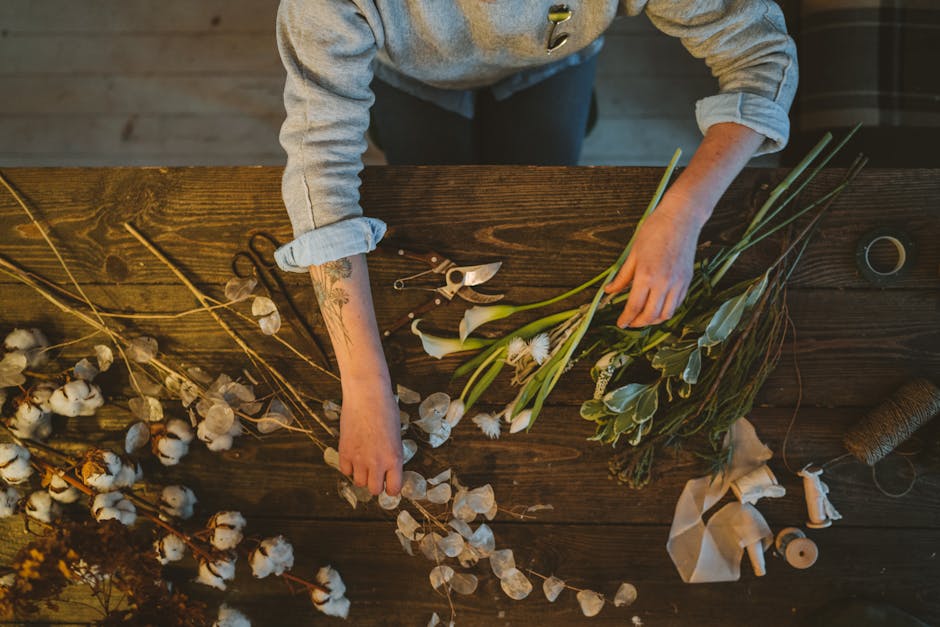
DIY usually begins with inspiration boards and a rough inventory: bouquets, ceremony flowers, table arrangements, aisle pieces, buttonholes, corsages, and maybe a few loose flowers for styling. You then source stems from a wholesaler, farm, supermarket, or online supplier, coordinate delivery, and build an assembly plan that fits the wedding timeline.
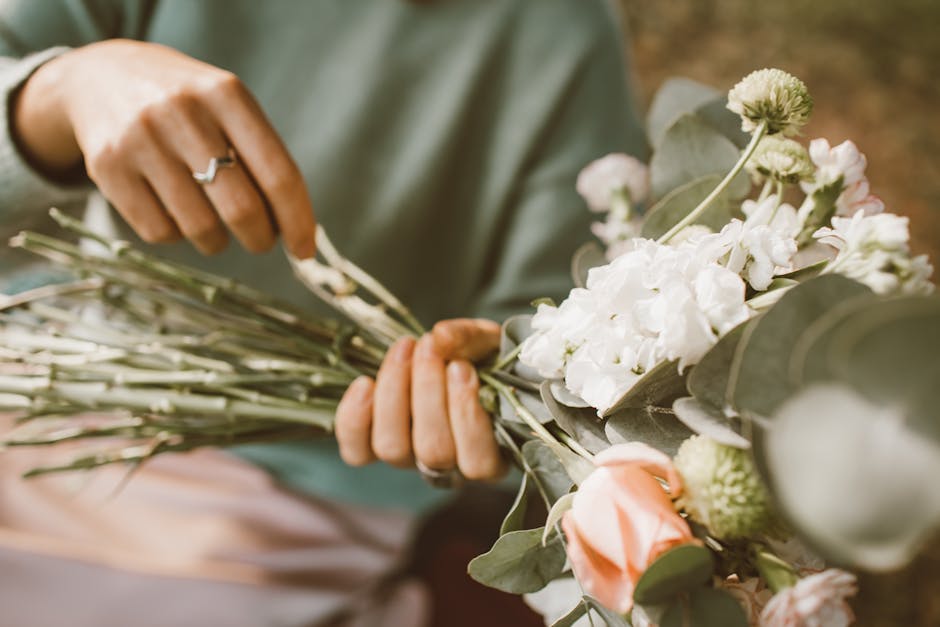
That sounds straightforward until you factor in flower conditioning, trimming, refrigeration, substitute blooms, and the fact that a bridal bouquet is not just a bunch of flowers tied together. It needs balance, structure, and moisture retention. A simple hand-tied bouquet can be taught, but it still takes practice.
How hiring a florist usually works
When you hire a florist, the process is more consultative. You share your date, venue, colour palette, season, and budget. The florist suggests flower varieties, arrangement styles, quantities, and delivery timings. They may create mood-based proposals rather than rigid itemised lists, because wedding flowers often need flexibility based on availability and season.
Most importantly, a florist manages the parts you do not want to be thinking about at 6 a.m. on your wedding day. That includes prep, freshness, mechanics, arrangement design, transport, set-up, and often breakdown or collection. In other words, you are not just paying for flowers; you are paying for process.
Where the line between DIY and pro gets blurry
In practice, many couples use a hybrid approach. They might hire a florist for the bouquet, ceremony focal point, and top tables, then DIY the lower-impact pieces such as bud vases or simple reception accents. That middle ground can be very sensible. It preserves some budget without inviting unnecessary chaos.
If you are exploring that approach, it helps to review the supplier's service pages and trust information carefully, including about the company, service guarantees, and returns and refund information. A wedding purchase should never feel like guesswork.
Key Benefits and Practical Advantages
| Option | Main strengths | Best for | Watch-outs |
|---|---|---|---|
| DIY flowers | Lower cash outlay, personal control, creative involvement | Small weddings, simple designs, confident planners | Time pressure, freshness issues, no backup if something fails |
| Professional florist | Expert design, reliability, venue coordination, reduced stress | Busy couples, complex weddings, premium presentation | Higher cost, less hands-on involvement, lead times |
| Hybrid approach | Balanced budget and professional support where it matters most | Couples wanting value without full DIY pressure | Requires clear division of responsibilities |
The biggest advantage of DIY is control. You choose the flowers, the scale, and the style. If you enjoy planning and crafting, that can be genuinely rewarding. It can also feel meaningful to have friends or family help assemble the arrangements the day before. For a very small wedding, that may be more than enough.
The biggest advantage of a florist is not just prettier flowers. It is problem-solving. Florists know how to work around heat, seasonal availability, transportation limits, awkward venue access, and changing timelines. That kind of practical competence is easy to underestimate until the wedding week arrives and the van is late, the room is warm, and the roses are opening faster than expected.
A professional also helps protect the visual coherence of your event. Bouquet scale, vase height, table proportion, and ceremony backdrop placement all matter more than people think. A good florist makes the whole setting feel intentional, not assembled at random in the last twenty minutes.
There is another advantage that is often overlooked: decision fatigue. Weddings contain enough decisions already. Flowers may seem like a pleasant area to save money, but if doing them yourself creates extra tasks, the emotional cost can outweigh the savings.
Who This Is For and When It Makes Sense
DIY wedding flowers can be a smart choice if the wedding is intimate, the arrangements are simple, and you already have hands-on help you trust. Think registry office weddings, backyard receptions, small restaurant dinners, or low-key celebrations where the floral style is relaxed rather than elaborate. A few well-made arrangements and some carefully chosen greenery can look lovely without a full professional setup.
Hiring a florist makes more sense when the flowers are central to the wedding experience. If your ceremony design includes arches, pedestals, stair arrangements, urns, broken arches, or large tablescapes, the logistics become much more demanding. If your venue has a strict schedule, multiple rooms, or limited access, professional support becomes even more useful.
It also makes sense to hire a florist when the couple is already carrying a heavy planning load. If you are managing travel, family expectations, tight timings, or a complicated venue handover, then florals are not the place to test your resilience. Truth be told, flowers are beautiful but they are also perishable. That is not ideal for improvisation.
For couples who want help but are still cost-conscious, a hybrid plan is often the sweet spot. Let the florist handle the high-visibility pieces, then keep the smaller decorative elements simple. That approach gives you reliability where it matters most and flexibility where it is easiest to manage.
Step-by-Step Guidance
- Define the floral job. List every item you want flowers for: bouquet, boutonniere, ceremony, aisle, tables, cake table, entrance, and any extras. Many couples discover they want fewer flowers than they first imagined once they write it down.
- Set a realistic budget. Decide the total amount you are comfortable spending, then split it between must-have items and nice-to-have items. If the budget is tight, keep the hero pieces and simplify the rest.
- Assess your time and labour. DIY flowers are not just a purchase; they are a project. Consider who will shop, prep, transport, and assemble everything, and when. If nobody has a calm spare day, that is useful information.
- Check the venue and schedule. Some venues have access restrictions, narrow windows for set-up, or rules about where arrangements can go. A florist usually absorbs those complexities. DIY teams have to manage them themselves.
- Review seasonal availability. Choose flowers that are available around your wedding date and stable enough for your venue conditions. Seasonal flowers are generally safer and often look more natural.
- Compare stress levels, not just prices. Ask yourself what the real cost is if things go wrong. A florist may cost more upfront but save time, reduce risk, and improve finish.
- Decide on DIY, pro, or hybrid. If you still feel torn, outsource the most important items and DIY the rest. That is often the most sensible compromise.
If you are shopping for DIY flowers online, pay attention to delivery timing and support details. A supplier with clear delivery information, practical care guidance, and straightforward payment and order terms is usually easier to work with. Helpful pages such as payment information and flower care advice can make planning a lot smoother.
Expert Tips for Better Results
1. Choose flowers for performance, not just appearance. Some blooms are spectacular in photos but fragile in practice. If your wedding day involves heat, transport, or long gaps before the ceremony, look for flowers that hold their shape well.
2. Simplify your palette. Fewer flower types often create a more elegant result. One or two focal blooms, supported by textured foliage and a small accent flower, usually looks better than a crowded mix of everything you like.
3. Keep the bouquet scale appropriate. Very large bouquets can overwhelm smaller frames and photos. Very small bouquets can disappear in a voluminous dress. Pro florists think about proportion constantly, and it shows.
4. Test your setup in advance. If you are DIYing, make a trial bouquet or table piece well before the wedding. You do not need perfection; you need a dry run that reveals how long it takes and what tools you forgot.
5. Build in a contingency plan. Have a fallback for missing stems, damaged flowers, or a delayed delivery. That might mean extra greenery, a local backup source, or a narrowed design that can survive substitutions.
6. Think about transport like a florist would. Tall arrangements need crates, water sources, and careful spacing. Bouquets need cool storage and a sensible handover time. The journey matters more than many couples expect.
If you are hiring rather than DIYing, ask how the florist handles replacements, delivery windows, and setup. The best providers are transparent about logistics and customer expectations. You can also review supportive policy pages such as delivery details and guarantee information before booking. That kind of clarity is worth its weight in peonies.
Common Mistakes to Avoid
One of the biggest mistakes is underestimating labour. DIY flowers may look cost-effective on paper, but if you need several helpers and a full day of prep, the real expense includes time, coordination, and stress. A spreadsheet does not always tell the full story.
Another common mistake is choosing flowers that are difficult to condition or prone to wilting in warm rooms. Not every beautiful flower is wedding-friendly, especially for a do-it-yourself setup without floral refrigeration.
Many couples also forget the practicalities of venue set-up. If the venue wants everything installed within a short window, your florist needs to know that from the start. If you are DIYing, you need a realistic plan for arrival, placement, and clean-up. There is nothing romantic about carrying damp buckets through a side entrance while the registrar is asking where the rings are.
A further pitfall is overcommitting to quantity. More flowers do not automatically mean a better design. Often the problem is not too few blooms but too many competing elements. Good floral design relies on balance, spacing, and purpose.
Finally, people sometimes overlook the emotional side. If one person in the couple secretly loves flowers and the other secretly hates craft work, that mismatch will surface quickly. It is better to have an honest conversation early than to discover the tension the night before the wedding.
Tools, Resources and Recommendations
If you choose the DIY route, a few tools and resources will make life easier:
- Sharp floral scissors or secateurs
- Clean buckets for hydration and transport
- Floral tape, ribbon, and binding materials
- Wire or bouquet supports for more structured designs
- Cool storage space with room for arrangements to breathe
- A written timeline for flower arrival, prep, and assembly
For online ordering, look for clear pages covering delivery, customer service, and policies. Pages such as contact options, terms and conditions, and privacy information can help you judge how a supplier handles communication and trust.
If sustainability matters to you, ask where the flowers come from, how they are packaged, and what the supplier does to reduce waste. Many couples now prefer a more thoughtful approach to sourcing, which is why a page like sustainability information can be useful when comparing providers.
If you are ordering for a larger event or coordinating more than one floral need, corporate-style ordering systems can sometimes be helpful even for weddings with multiple drop points. In those cases, it is worth seeing whether a supplier offers structured support like account-style ordering.
Law, Compliance, Standards, or Best Practice
Most wedding flower decisions are not highly regulated in the way some professional services are, but there are still important standards and best practices to respect. First, if you are hiring a florist, you should expect clear terms, transparent pricing, and sensible delivery arrangements. That is not just good customer service; it is good business practice.
If flowers are being delivered to a venue, hotel, or private address, make sure the provider understands the access instructions, timing restrictions, and any relevant site rules. The florist or supplier should be clear about what happens if the recipient is unavailable or if access is delayed.
For DIY weddings, food safety-style caution matters around anything that will be near cakes, catering, or guest tables. Avoid using materials that may stain, shed, or contaminate surfaces. If flowers touch food items, speak to the venue or caterer first. Simple common sense goes a long way here.
It is also wise to check refund, substitution, and delivery terms before ordering. Wedding flowers are time-sensitive, so you need to know how a supplier handles last-minute issues. If you are uncertain, choose a provider whose policies are easy to find and understand, including pages like returns and refund details and customer guarantees.
Accessibility is another quiet but important part of good service. If you or a guest needs extra support or information in a usable format, good suppliers should make that clear. A well-run website will usually publish an accessibility statement so customers know where they stand.
Options, Methods, or Comparison Table
| Decision factor | DIY | Hire a florist | Hybrid |
|---|---|---|---|
| Budget control | High, but labour is on you | Lower flexibility, clearer all-in cost | Balanced |
| Creative freedom | Very high | High with professional guidance | High for selected items |
| Stress on the day | Higher | Lower | Moderate |
| Risk of failure | Higher without experience | Lower due to expertise | Reduced for priority items |
| Best for | Small, simple weddings | Complex, high-stakes weddings | Couples wanting value and support |
One useful way to think about the choice is to rank the flowers by consequence. Which pieces will guests see first? Which pieces will appear in key photographs? Which pieces are hardest to replace if they fail? Those should usually be the professional priority. Less visible or lower-risk pieces can often be DIYed without much downside.
If you are still undecided, start with a florist quote and compare it honestly against the cost of buying, storing, and assembling the flowers yourself. Include tools, fuel, delivery fees, and contingency blooms. You may find the price gap is smaller than you expected once everything is counted properly.
Case Study or Real-World Example
Imagine a couple planning a Saturday wedding with 60 guests, a church ceremony, and a simple hotel reception. At first, they want to DIY everything because they assume it will save money. They like the idea of soft white and green flowers, and they picture friends helping the night before.
Once they map the plan, the picture changes. They need a bridal bouquet, two bridesmaids' bouquets, buttonholes, ceremony arrangements, pew ends, eight table centres, and flowers for the top table. They also discover the church has a narrow setup window and the hotel wants all reception styling completed before guest arrival.
At that point, the couple chooses a hybrid approach. A florist creates the bouquet, buttonholes, and ceremony flowers because those are the most visible and most time-sensitive. The couple then DIYs the table centres using simple bud vases and seasonal greenery. They buy the flowers with enough flexibility to keep the design light and consistent.
The result is practical: the wedding feels polished where it matters most, the budget stays manageable, and nobody is frantically wiring stems while getting dressed. That kind of compromise is often the best answer to the DIY versus pro question. Not every wedding needs full-service floristry, but not every wedding should be treated like a craft afternoon either.
Practical Checklist
- Have you listed every floral item you actually need?
- Have you set a total budget, not just a vague target?
- Do you know who will source, prep, and transport the flowers?
- Have you checked venue access, timing, and decoration rules?
- Are your chosen flowers suitable for the season and temperature?
- Do you have a contingency for shortages or substitutions?
- Have you reviewed delivery, refund, and guarantee terms if ordering online?
- Do you know which pieces are most important to photograph and prioritise?
- Have you tested your DIY plan with at least one practice arrangement?
- Have you decided whether a hybrid approach would reduce risk?
Expert summary: if your wedding flowers are simple, flexible, and low-risk, DIY can work well. If the flowers are central to the look of the day, or if timing is tight, hire a florist for the core pieces and keep the rest simple.
Conclusion
There is no single right answer in the DIY versus pro debate. The right choice is the one that matches your budget, your timeline, your venue, and your tolerance for hands-on work. DIY can feel personal, creative, and cost-aware. A florist can bring calm, polish, and practical expertise. A hybrid plan often offers the best of both.
The most important thing is to be honest about the hidden workload. Flowers may look like a beautiful last-mile detail, but they are also a live logistics challenge. If you are short on time or planning capacity, professional support is usually worth it. If you have a simple design and a strong helper team, DIY can be a satisfying part of the celebration.
Whichever path you choose, focus on the flowers that matter most, keep the design realistic, and make sure the practical side is as thoughtful as the aesthetic side. That is how you end up with arrangements that look lovely in the room and still hold up beautifully in the photographs.
Get a free quote today and see how much you can save.
Frequently Asked Questions
Is it cheaper to DIY wedding flowers or hire a florist?
DIY is often cheaper in direct cash terms, but not always once you include tools, transport, extra stems, storage, and the time needed to prepare everything. A florist costs more upfront but may reduce waste and prevent costly mistakes.
When should I definitely hire a florist for my wedding?
Hire a florist if your wedding has complex arrangements, a tight setup window, multiple locations, or limited help. It is also the safer choice when flowers are central to the overall design and photographs.
What wedding flowers are realistic to DIY?
Simple hand-tied bouquets, bud vases, greenery runners, and small table arrangements are usually the most manageable DIY options. Large installations and delicate statement pieces are harder to execute well without experience.
How far in advance should I book a wedding florist?
As early as possible, especially for popular dates and peak wedding season. Early booking gives you more choice, more time to refine the design, and less pressure when availability becomes tight.
Can I mix DIY flowers with a professional florist package?
Yes, and in many cases that is the smartest approach. You can ask a florist to handle the key focal pieces while you manage simpler items such as bud vases, signage flowers, or guest-table details.
What are the biggest risks with DIY wedding flowers?
The biggest risks are freshness issues, underestimated labour, transport damage, and last-minute timing problems. DIY can also create stress if the design is more complicated than expected.
How do I know if a florist is worth the price?
Look at the full service, not just the flowers themselves. Good florists offer design expertise, reliable logistics, clear communication, and practical handling that can save a lot of stress on the day.
Should I choose seasonal flowers for a wedding?
Usually, yes. Seasonal flowers are often easier to source, more reliable, and better suited to the time of year. They can also help keep the design feeling natural and less forced.
What should I ask before booking a wedding florist?
Ask about delivery, setup, substitutions, timing, breakdown, payment terms, and what happens if a flower variety is unavailable. It also helps to ask how they handle venue access and change requests.
How can I keep wedding flower costs under control?
Focus on the highest-impact items, simplify the colour palette, use seasonal flowers, and avoid overspecifying every detail. A clearer plan usually saves money more effectively than trying to reduce quality at random.
Do wedding flowers need special care before the ceremony?
Yes. Flowers need cool storage, hydration, and careful handling. Bouquets and arrangements should be kept out of direct heat and assembled with enough time for final touch-ups without rushing.
Where can I check delivery and order terms before buying flowers online?
Review the supplier's delivery, payment, returns, and guarantee pages before placing an order. That gives you a clearer picture of how they handle timing, service expectations, and any issues that may arise.